





EU DPP compliance for mandated products varies by category; expect full adoption between 2026-2030.
Harnessing the power of transparency
Consumers today are increasingly concerned about the environmental and social impact of their purchases. From the food they eat and the clothes they wear to the electronics they use and the furniture they decorate their homes with. Transparency and sustainability are no longer just marketing buzzwords, they're driving buying decisions.
This is where Digital Product Passport (DPPs) come in, revolutionising the way we understand and interact with the products we buy. Imagine a comprehensive digital document attached to every t-shirt, smartphone, coffee bean bag, or sofa, strong its entire story-from the origin of its cotton, rare earth metals, coffee beans, or wood to its manufacturing process, use phase, and ultimately, its end-of-life options. That's essentially what a DPP is: a secure, dynamic information hub empowering everyone involved in the product's journey.
While standardisation, cost, and consumer awareness require focused efforts, the potential of DPPs is undeniable. As technology evolves and collaboration increases, DPPs have the power to transform the way we design, source, manufacture, use, and dispose of products across diverse industries, paving the way for a more sustainable future.
The textile and fashion industries are in the midst of a sustainability revolution. Digital Product Passports are emerging as a game-changer, and when paired with Bombiix the possibilities for responsible and transparent product development are truly exciting.
Material Origin:
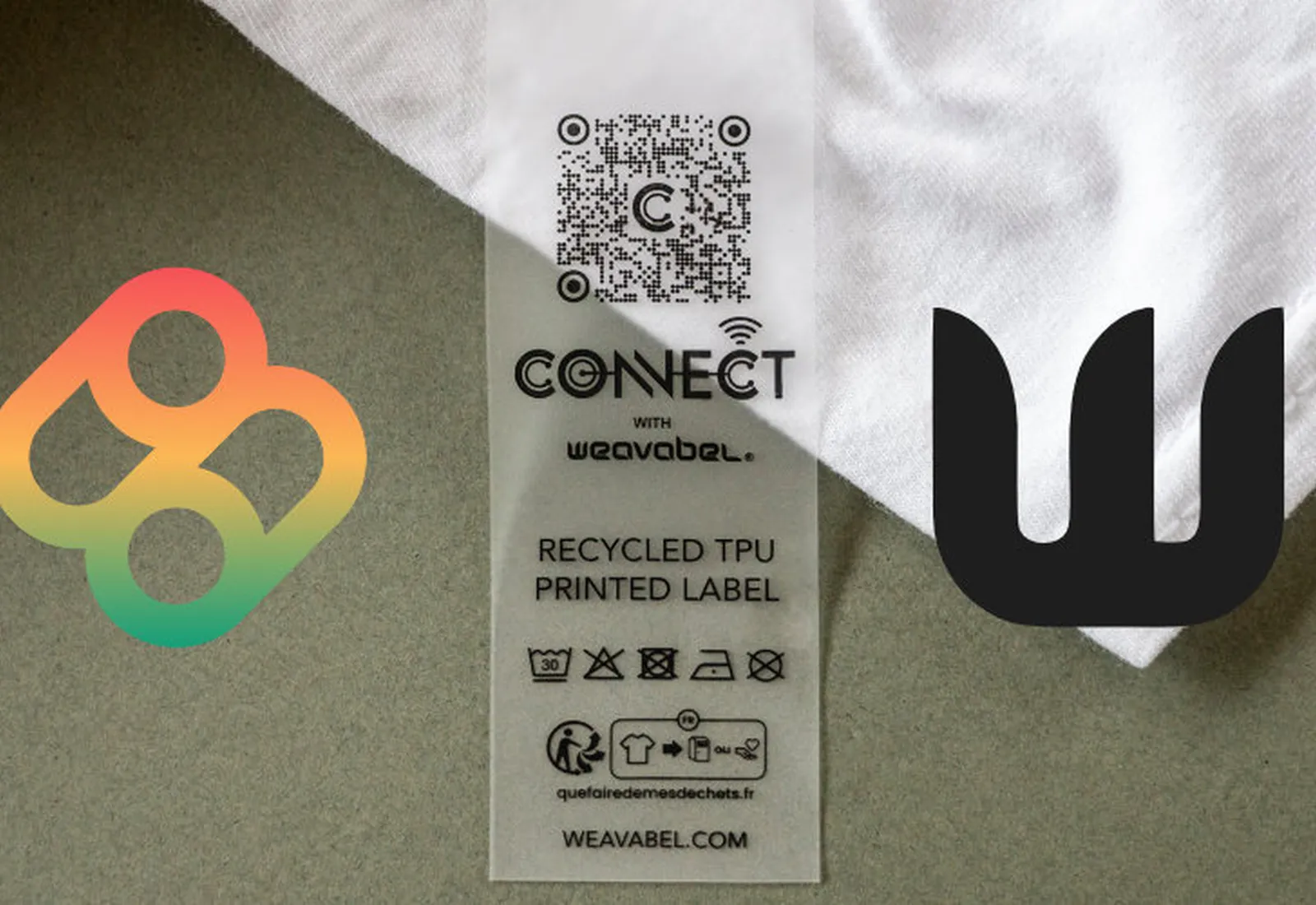
Imagine scanning a QR code on your coffee mug and discovering the percentage of recycled glass used, the farm where the organic coffee beans originated, and even the source of the natural dyes. This transparency empowers you to make informed choices about furniture, electronics, clothing and food, aligning with your values and supporting responsible circularity across diverse industries, from fashion to food packaging.
The Fibre Journey:
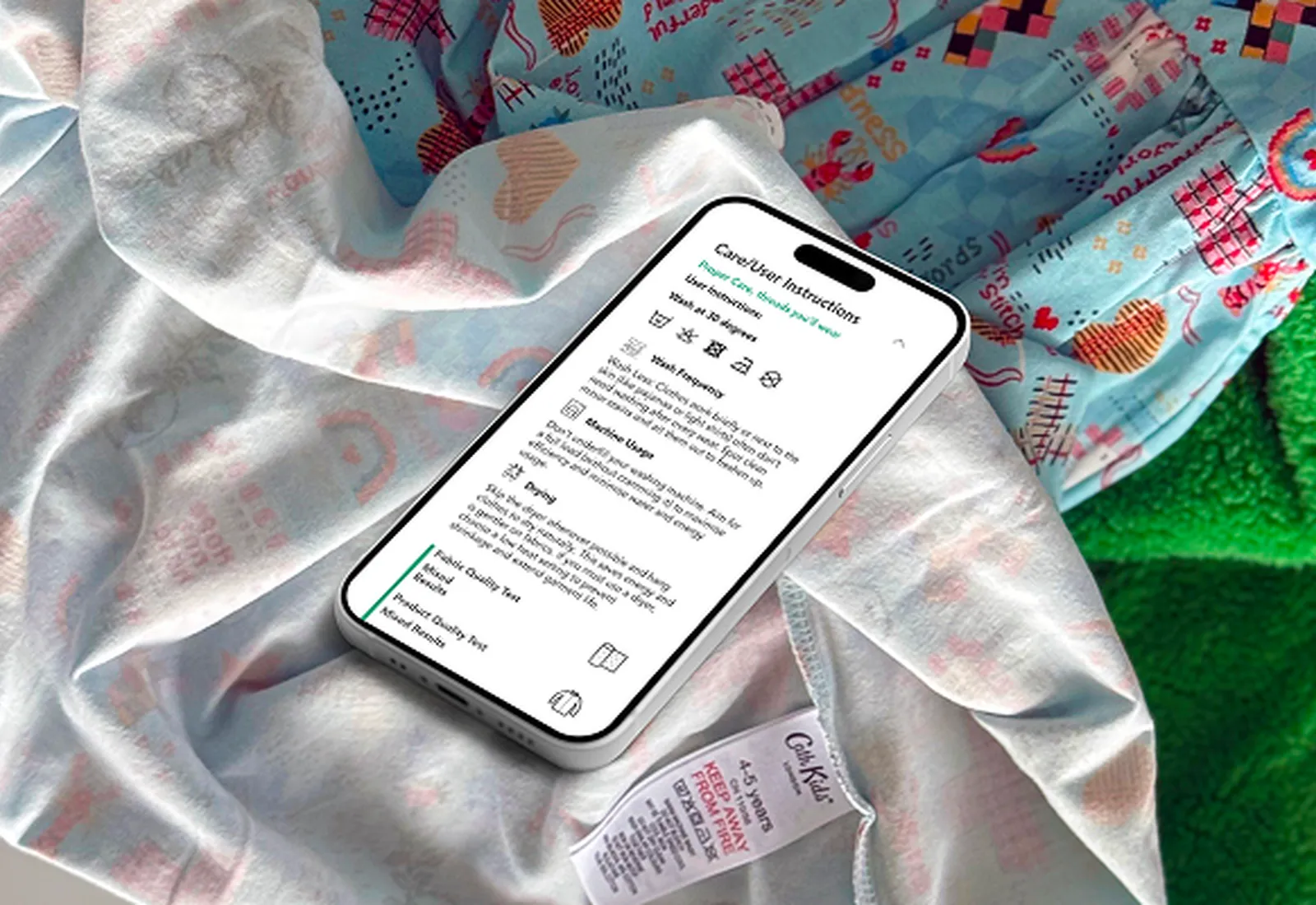
Scan your t-shirt and unveil its incredible story. See where the organic cotton was grown, trace the journey of the recycled polyester blend, and understand the garment's social and environmental impact. This journey fosters a deeper connection between you and your clothes, furniture, or even household items, building an appreciation for responsible sourcing and craftsmanship.
This unique narrative becomes the product's digital passport, seamlessly integrated into the DPP. Picture brands using this rich tapestry to showcase their commitment to sustainability and engage consumers on a deeper level, from fashion-conscious individuals to environmentally responsible families.
End-of-Life Options:
Worn-out sneakers, no problem, check to see nearly drop-off locations for responsible recycling. The DPP becomes your guide, empowering you to extend the lifespan of your furniture, electronics and other goods, minimizing their environmental impact.
Recycling facilities seamlessly access disassembly information through the DPP. This collaboration optimizes sorting and processing, maximizing the recovery of valuable materials like recycled metals for electronics, wood pulp for paper products, and textiles for new clothing. This promotes a truly circular economy, where waste becomes a valuable resource.
Repair & Reuse:
Tired of throwing away that broken toaster? Imagine scanning a QR code and accessing repair guides, tutorials, and even spare parts. Become empowered to mend your electronics, appliances, the clothing, extending their lifespans and reducing textile waste.
The DPP seamlessly integrates with repair services, offering recommendations facilitating the process. This creates a culture of repairs, challenging the traditional "buy-and-dispose" mentality and encouraging responsible consumption across diverse product categories.
Optimised Recycling:
Recycling facilities seamlessly accessing data on furniture, electronics, clothing, and even food packaging through the DPP. This unlocks valuable insights into material composition, enabling optimal sorting and processing. The result? Higher-quality recycled materials like reclaimed wood for furniture, purified metals for electronics, and upcycled plastic for packaging. This not only reduces sorting costs but also fuels the circular economy, giving waste a second life.
Think rare earth metals from smartphones being efficiently recovered and used in new devices. Or high-quality cotton from worn-out t-shirts being transformed into soft furnishings. The possibilities for innovative recycled products are endless!
Design for Circularity:
Empower designers across industries with DPP-integrated tools that suggest sustainable materials like organic cotton for clothing, bamboo for furniture, and recycled ocean plastic for packaging. These tools also flag potential disassembly challenges, ensuring products are designed for easy end-of-life processing from the get-go.
Imagine a circularity score displayed on furniture, electronics, and even food packaging, reflecting their material choices, disassembly ease, and responsible disposal options. This empowers consumers to make informed choices about everything they buy, incentivising brands to prioritise circular design across the board.
Transparent Traceability:
Trace the origin of fibres in your furniture, the minerals in your electronics, and the ingredients in your food with complete transparency. The DPP maps the entire journey, from raw materials to finished product, revealing the factories involved and their sustainability practices. This builds trust and holds all stakeholders accountable, pushing the industry towards responsible sourcing and production.
Imagine this data being used to identify and address environmental and social challenges across diverse supply chains. Bombyx can leverage this data to advocate for change in the fashion industry, the electronics industry, and beyond, promoting best practices and driving a more sustainable future for all.
Streamlined Communication:
Break down information silos across industries with the DPP! Brands, manufacturers, and recyclers can seamlessly share data on materials, processing techniques, and responsible practices. This eliminates inefficiencies and fosters collaboration, accelerating progress towards a circular economy.
Think of a real-time communication network connecting everyone involved in the lifecycle of products, from furniture makers and electronics recyclers to food producers and clothing manufacturers. This fosters innovation, unlocks new circular business models like product-as-a-service, and benefits all stakeholders in the value chain.
Compliance Simplified:
Navigating sustainability regulations can be complex. The DPP and Bombyx can simplify this process by automatically flagging potential compliance risks associated with materials, sourcing, and waste management, across different industries. This empowers brands to make informed decisions, minimize non-compliance risks, and ensure they operate responsibly.
Think of how this can help furniture manufacturers comply with regulations on wood sourcing, electronics companies adhere to responsible e-waste management standards, and food producers meet sustainability and fair-trade requirements.
Deforestation:
Combat deforestation across industries with the DPP's powerful traceability features. By mapping the entire journey of materials like wood, cotton, and palm oil, potential deforestation risks at any stage can be identified. This empowers brands to collaborate with suppliers on stricter sourcing policies and monitor compliance.
Imagine Bombiix leveraging data from furniture, clothing, and even food packaging to identify deforestation hotspots in timber, cotton, and palm oil production. This data can then be used to support initiatives that protect endangered forests and promote sustainable forestry practices, safeguarding our planet for future generations.
This is about building a future for all consumer goods, one that promotes responsible practices, minimises waste and ensures longevity. It's about a future where every product has a story to tell, and sustainability isn't just a trend, it's the foundation.