What is DPP? Your complete guide to Digital Product Passports
DPP stands for Digital Product Passport, a mandatory EU requirement launching in 2027 that tracks product information through the entire lifecycle.
If you work in product, it’s essential you equip yourself with the knowledge to navigate the new compliance requirements.
Understanding digital product passports: the basics
A digital product passport (also known as a DPP) is a structured digital record that holds detailed product information. Designed to improve traceability, transparency and sustainability, it covers the whole life of a product.
The idea is that anyone who uses the product – from retailers and consumers to second owners and recyclers – can quickly and easily access information to help them make informed decisions.
Right now, the EU is the only authority that requires digital product passports. But they’re getting more popular globally, so it’s only a matter of time before the rest of the world catches up.
If your business sells goods in the EU, you’re legally required to provide digital passports across some categories, such as batteries, toys, furniture and apparel by 2027.
All product categories need DPPs by 2033. The rest of the world is expected to follow soon. Starting to introduce digital product passports now, along with related systems like Product Lifecycle Management (PLM), is an important step towards compliance.
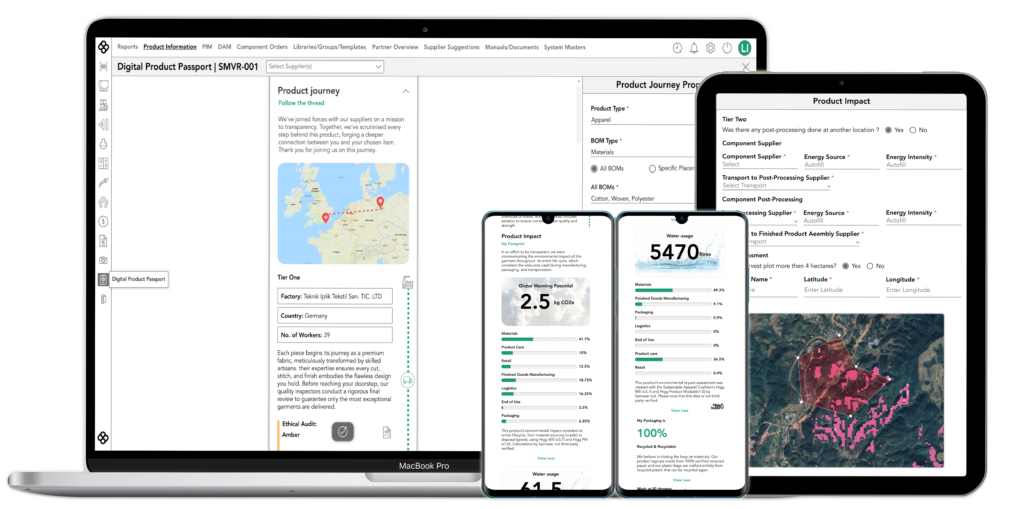
All the data lives on a cloud server and can be accessed by scanning this code – typically printed somewhere on the product’s packaging, care label or tag.
Manufacturers can also provide direct access to passports online by linking to them directly from the product’s listing page.
DPPs must ensure differentiated access, with data broken down into public and restricted sections, accessible via a scannable digital carrier embedded on each item; these requirements are specified by the ESPR and affect all regulated products. Source: https://www.protokol.com/insights/digital-product-passport-complete-guide/
What information goes into a DPP?
A DPP must include detailed lifecycle data categories, such as product identification, substances of concern, instructions for use, end-of-life treatment and sustainability information.
For textiles, EU rules foresee that by 2027 all textile products sold in the EU must have a minimal, simplified DPP, progressing to an advanced DPP with more comprehensive lifecycle information by 2030 and a fully circular DPP including all lifecycle data by 2033. Source: https://www.segura.co.uk/resources/press/digital-product-passport-what-you-need-to-know
By 2033 every digital product passport should include the core data listed below:
Manufacturing information
All the information about your company, including your company name, location, contact details and logo.
Technical specifications
All the materials in the product, including origins, characteristics, production process and any quality standards, like ISO and CE.
Origin
The product’s supply chain, from raw materials to the consumer. Everything about the companies involved and production location.
Certifications and compliance
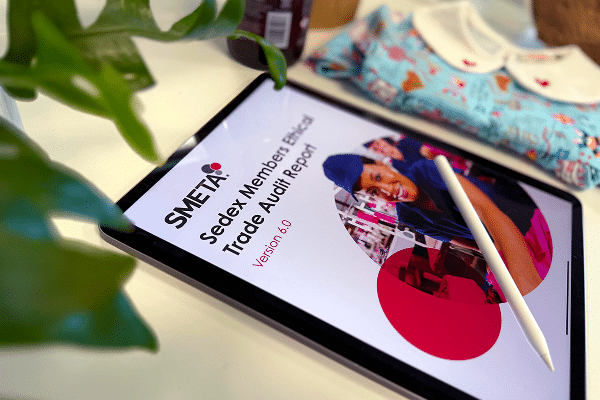
The DPP needs to include details of any certifications the product has, such as safety, environmental and ethical certifications.
Product’s journey
Details of a product’s whole journey, from raw material to shop shelves and any product recalls.
End-of-life information
Information on how a product can be disposed of or recycled, such as collection points or product-specific programmes.
Industries and products affected by DPP requirements
The DPP comes into effect for different industries at different times. Here’s everything we know so far:
DPP for batteries
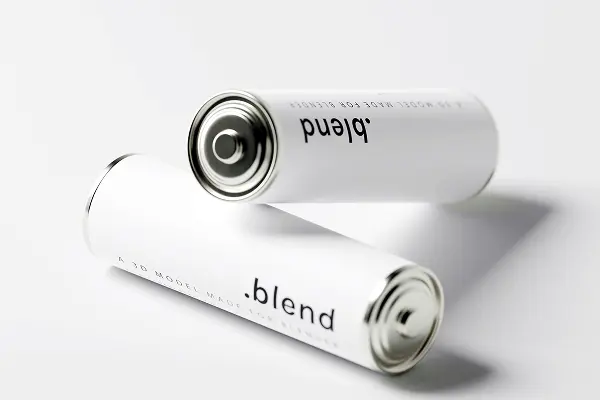
Starting in 2027, batteries will be one of the first product groups required by law to have a DPP through the EU Batteries Regulation.
DPP for textiles
It’s mandatory for all textile products sold within the EU to have a DPP by 2027. This passport must include product information and environmental impact details.
DPP for fashion
By 2027, all fashion and apparel sold within the EU must possess a DPP that includes mandatory product information and environmental impact details.
DPP for toys
The DPP for toys sold within the EU aligns closely with the mandatory DPP for textiles in 2027 and aims to reduce the number of non-compliant and unsafe toys.
DPPs - A timeline of key dates for digital product passports
2027 - Basic DPP required for textiles, toys and batteries
By 2027, all textiles, toys and batteries sold in the EU must have a DPP.
2030 - Advanced DPP required for textiles, toys and batteries
In 2030, textiles, toys and batteries need an advanced digital product passport.
2033 - Full circular DPP for all products sold in the EU
All products sold in the EU must have a full circular digital product passport, including all product lifecycle data.
Benefits of implementing digital product passports
With a DPP, everyone has access to clear, verifiable information about a product’s journey through the supply chain. Consumers, manufacturers and regulators can trace how a product was created, what it’s made from and if the materials and processes meet sustainability standards.
The path to a circular economy
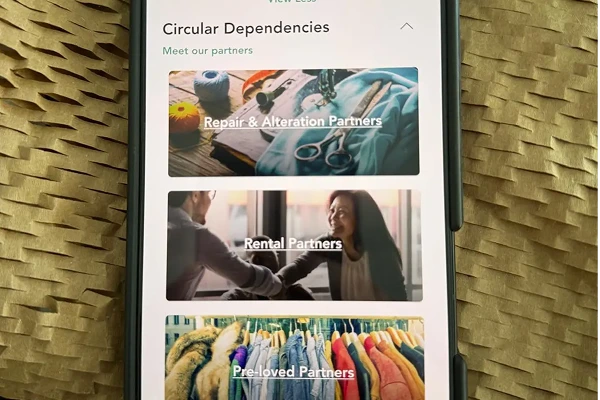
Product passports have the power to advance our way towards a circular economy. By tracking and sharing essential product data with consumers, DPPs could be key to developing a global culture of repairing, reusing and recycling resources instead of throwing them away.
Sustainability, sorted
DPPs help brands and consumers make more conscious choices because they provide clear data on a product’s environmental impact. So, whatever your sustainability goals, whether it’s reducing carbon emissions, cutting down on waste or ensuring ethical production, DPPs have a crucial role.
Stay ahead of compliance
As mentioned above, governments are ramping up their focus on sustainability. DPPs offer a way for businesses to stay ahead of the changing regulations. For example, under the European Green Deal, DPPs will help track product data, ensuring compliance with environmental laws and contributing to the EU’s broader sustainability goals.
Customer confidence
It’s no secret that more and more customers are making smarter purchasing decisions. DPPs offer a clever way to engage and build trust with consumers, giving people the power to scan a label and instantly know how to care for, repair or recycle their new product.
Challenges businesses face with DPP compliance
Adopting digital product passports shouldn’t be too hard for most businesses – you should already have the required data, so it’s just a matter of getting it in the right place.
However, we know that, it practice, it’s not always that simple:
Even simple products can have complex global supply chains, with many different suppliers and producers. This makes it difficult to gather, verify and standardise the data needed for a DPP.
Digital product passports require a lot of data, some of which is sensitive. This means a potential increased risk of unauthorised access and cyberattacks that needs to be monitored.
Without a proper system in place, setting up and running digital product passports can become expensive, especially when more products are added and legislation evolves.
Currently, there are no universally adopted standards for digital product passport structures or formats. As more technologies are integrated with DPPs, this problem will get worse.
Capturing data from every stage of the supply chain and getting suppliers to provide all the information needed can prove difficult if not properly co-ordinated.
How Bombiix makes DPP implementation simple
Implementing a PLM system like Bombiix is a powerful and efficient way to manage and access data better. The DPP is simply generated (and re-generated) from the data held within the PLM system.
Bombiix reduces your DPP workload and gives you compliance confidence:
Automate DPP creation
For the same amount of money it costs to hire an entry-level employee for manual DPP creation, Bombiix automates the entire process for you and acts as a digital assistant for your entire team.
Reduce software spend
With Bombiix, your cost for DPP creation, PLM, PIM and DAM is rolled into one, fixed price. There’s no need for multiple, expensive and complex systems.
Position yourself as a DPP leader
Bombiix offers a forward-thinking DPP that is flying the flag for sustainability, transparency and the circular economy
Unify your entire supply chain
Bombiix connects your entire supply chain, crystal clear clarity and collaboration between all your key stakeholders.
Getting started with your DPP strategy
The earlier you start, the smoother the transition will be. If you’re preparing for DPP requirements, start here:
Understand what information you already capture and where gaps exist.
Assess whether your current systems and processes can realistically support DPP requirements.
Suppliers must provide accurate data – engaging with them early will help you collaborate on creating compliant DPPs
Traceability and accurate data capture must be built into your product development process – it can no longer be an afterthought.
Loved by product people, trusted by..
“As a forward-thinking business, we always seek solutions to boost efficiency and ease workloads. A PLM system was the logical choice for managing data in creating a Digital Product Passport. Switching to PLM brought big changes, but our team embraced it because Bombiix provided solutions that fit our processes—and most importantly, they wanted to use it.”
Lucy Gledhill
Founder, Joanie Ltd
Bombiix has been a game-changer for Fimex—it just works with us. In a fast-paced environment where things can get hectic, Bombiix is always there, and a reliable single source of truth for our business. It’s the perfect tool for our teams across the factory, sales, merchandising, and design, giving everyone seamless access. I’d have no hesitation in recommending Bombiix—it’s an excellent solution that truly supports our workflow.
Caroline Davies
Chief Executive Officer
One word that I would use to describe my experience with Bombiix is fresh. Everything about the system and interface looks fresh and clean, but also the way the system is operated, the human touch. All of that is very fresh for me in the world of PLM. Bombiix is not just a software-driven computer robot system that looks like it’s from 1995.
Michaela Silverman
Design and Buying
” Running a production agency used to be chaos until we found Bombiix. It’s intuitive, tailored to our industry, and backed by a team that truly gets fashion (and isn’t afraid to customise where needed). Finally, a system that speaks our language and a joy to work with, too.”
Fazane Fox
Managing Director
FAQs
Below, we answer some of the most often asked questions about Digital Product Passports
What does DPP stand for?
DPP stands for Digital Product Passport.
When do DPP requirements start?
DPP requirements begin rolling out in 2027
Who needs to create digital product passports?
DPP requirements are being rolled out in phases, starting with high-impact sectors, including textiles, footwear, furniture, electronics and batteries. More product categories will be added over time.
How much does DPP compliance cost?
Costs of DPP compliance vary depending on product complexity and existing systems. Investing in the right product platform significantly reduces long-term compliance costs.
Can existing PLM systems handle DPP requirements?
Many legacy PLMs struggle with the flexibility, traceability and data access controls required for DPPs. Modern, product-first platforms are better equipped to support compliance without added stress.