Ian Brown
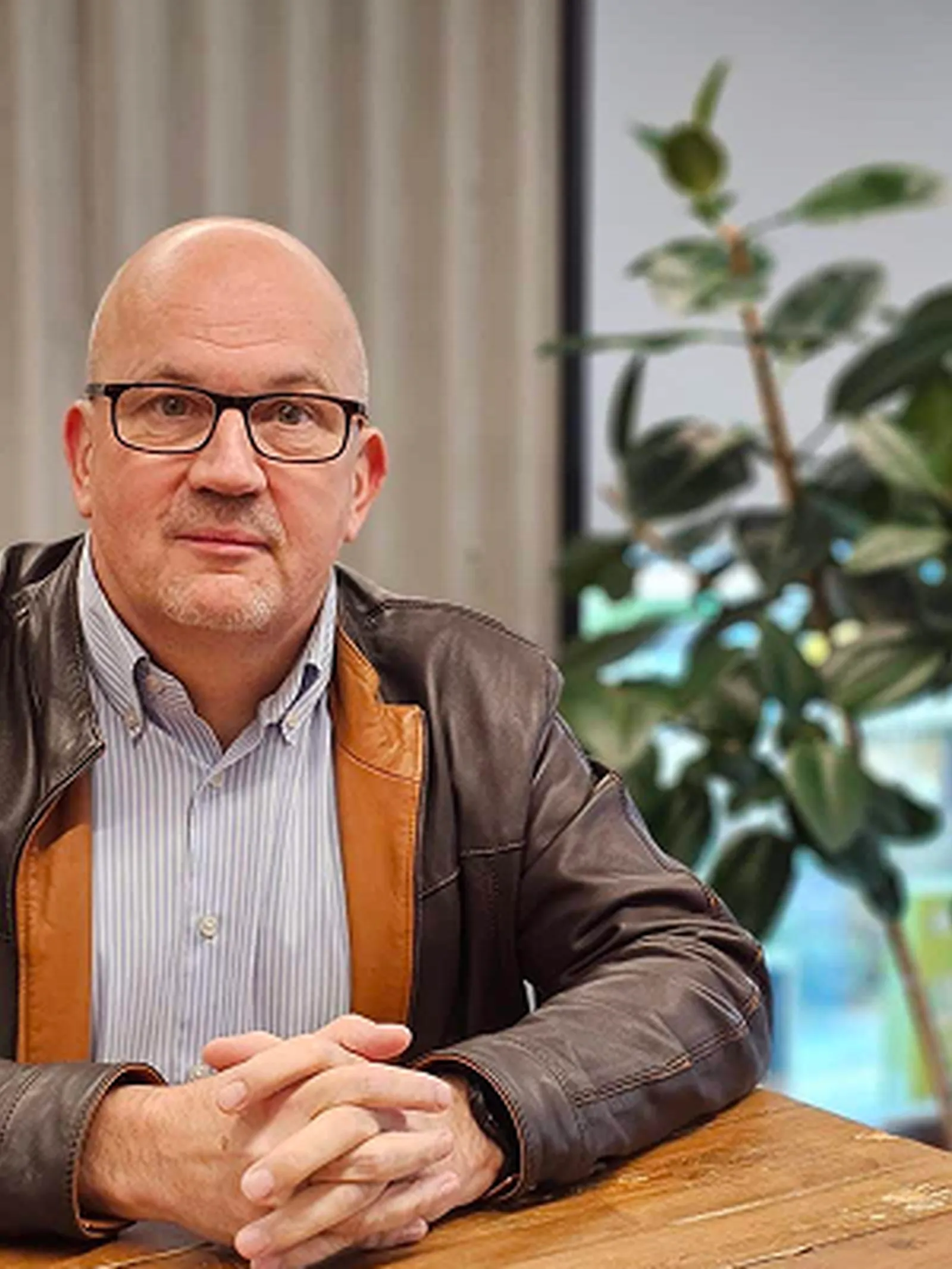
We invested in Bombiix because we recognised the strength of its PLM offer and the impending EU requirement for Digital Product Passports.
With decades of experience investing in SMEs – from starting at 3i, to opening the Bahrain Development Bank and now co-owning Anticus – I’ve seen the challenges businesses face and the opportunities that come with them. Our role is to be a supportive investor, guiding Lucy in growing Bombiix and in future fundraising.
Sue Page
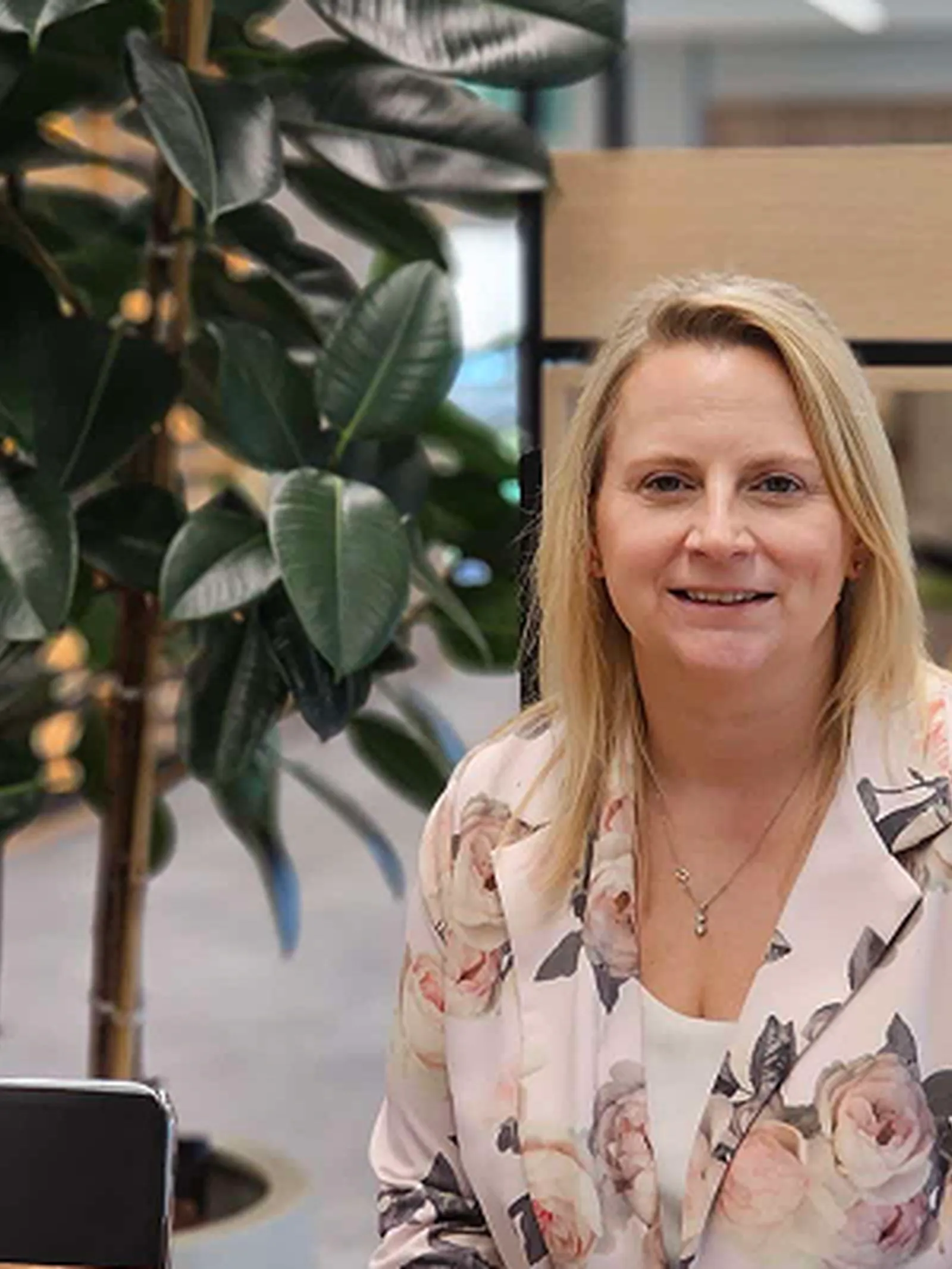
With experience across manufacturing, financial services, SaaS, e-commerce, and retail, I help Bombiix navigate growth while keeping a close eye on cash flow, performance and strategic alignment.
From the first time I met Lucy, I knew I wanted to work with her – she’s a breath of fresh air and the passion that fills her is infectious. It’s a pleasure to complement her skills in delivering the vision of Bombiix.
Zowaid Rauf
I make sure our software meets your needs, spotting areas for improvement and helping your team streamline and grow.
Having worked in hospitality, manufacturing, supply chain and agriculture, I bring a wealth of experience when it comes in creating digital solutions that tackle real-world challenges.
Neil Weaver
I joined Bombiix after being a customer – it’s hugely refreshing to see a platform that focuses on the needs of product people. After managing many global teams across multiple industries, including pharmaceuticals, FMCG, toiletries and cosmetics, sporting goods and apparel and fashion, I can see real potential in Bombiix, and I’m excited to lead the business and achieve it.
Lucy Blackley
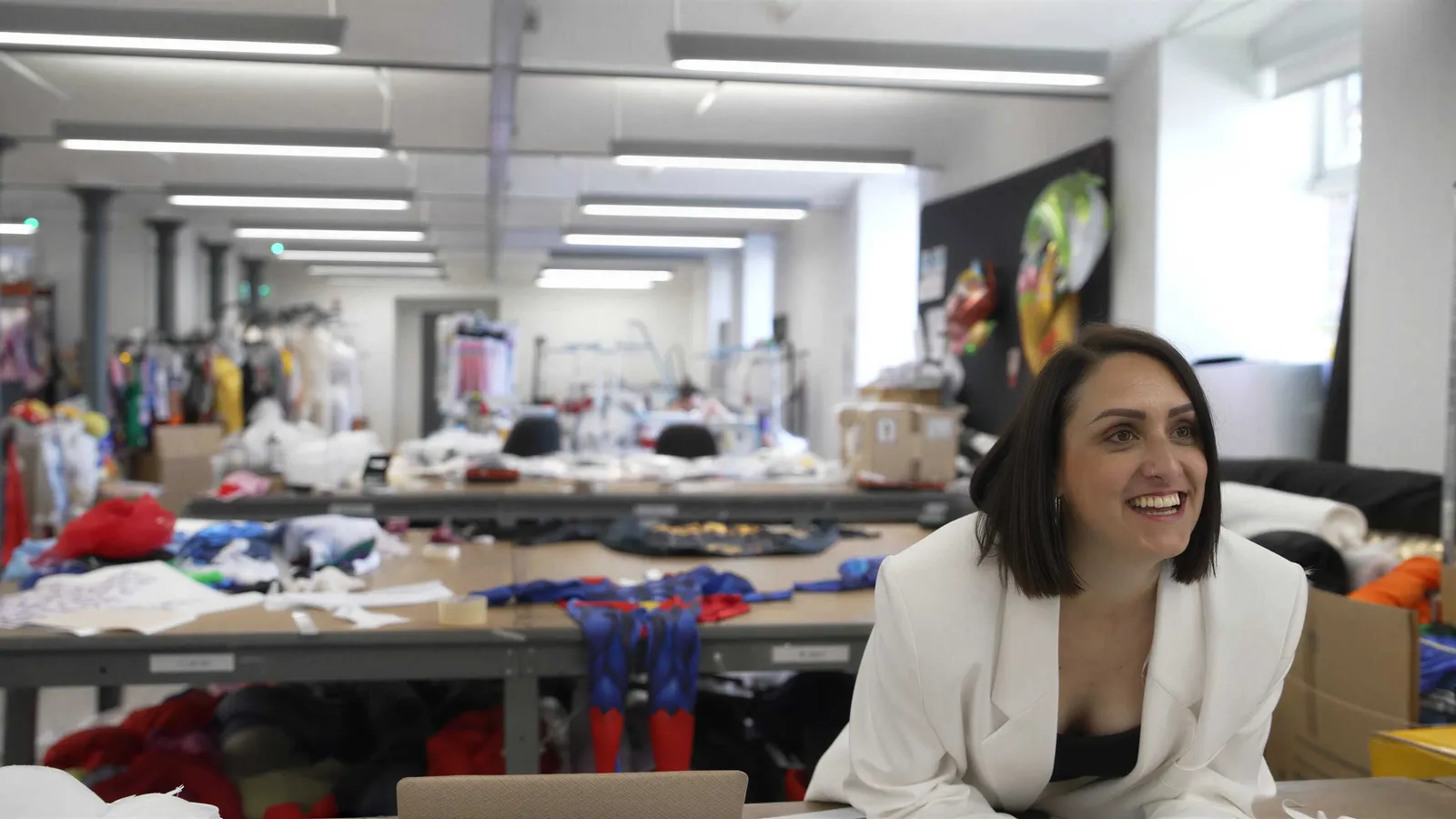
I created Bombiix because I was an exhausted, frustrated Head of Product who knew there had to be a better way to work
My experience is in garment technology, pattern cutting, product development and technical design and I understand the everyday struggles our customers face – the chaotic workflows, confusing email threads and out of date spreadsheets. So I created Bombiix to change all of that.
The concept for Bombiix was born from one product developer’s frustrations with outdated legacy PLMs. So, when we say we get it, we really do. Whether you’re a growing start up or experienced enterprise, our team is with you every step of the way with personalised onboarding and ongoing support. My experience is in garment technology, pattern cutting, product development and technical design and I understand the everyday struggles our customers face – the chaotic workflows, confusing email threads and out of date spreadsheets. So I created Bombiix to change all of that.
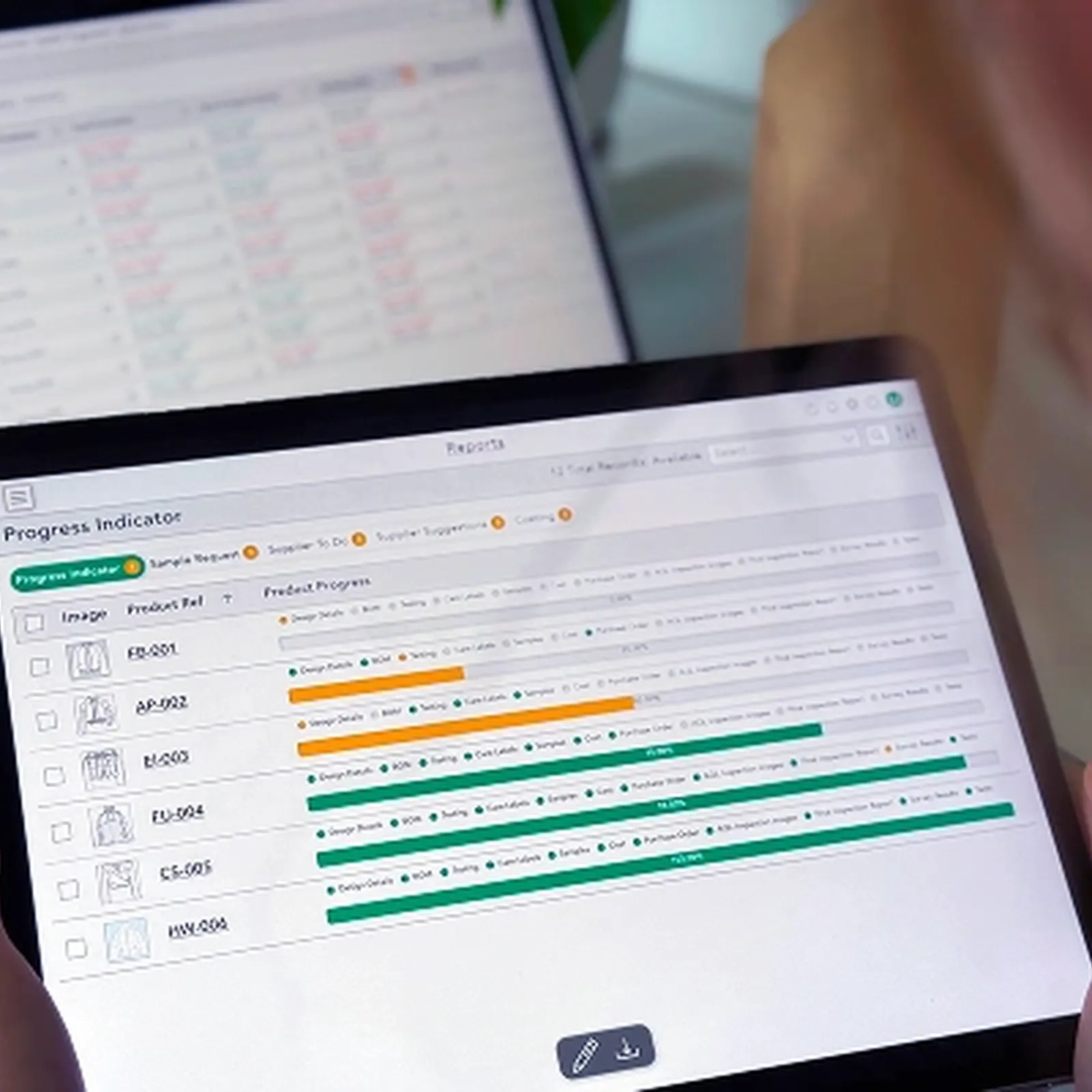
Manage your entire product lifecycle, from initial concept and design through to development, manufacturing and bringing it to shelves.
Automate your Digital Product Passports in a way that’s affordable, scalable and removes the need for multiple complex systems.
Unify all your product information with an automated PIM that ensures consistency and accuracy while reducing workload and manual data entry.
Organise, store and access all your digital assets into a single, easy-to-use hub so you can effortlessly find, share and use content whenever you need to.
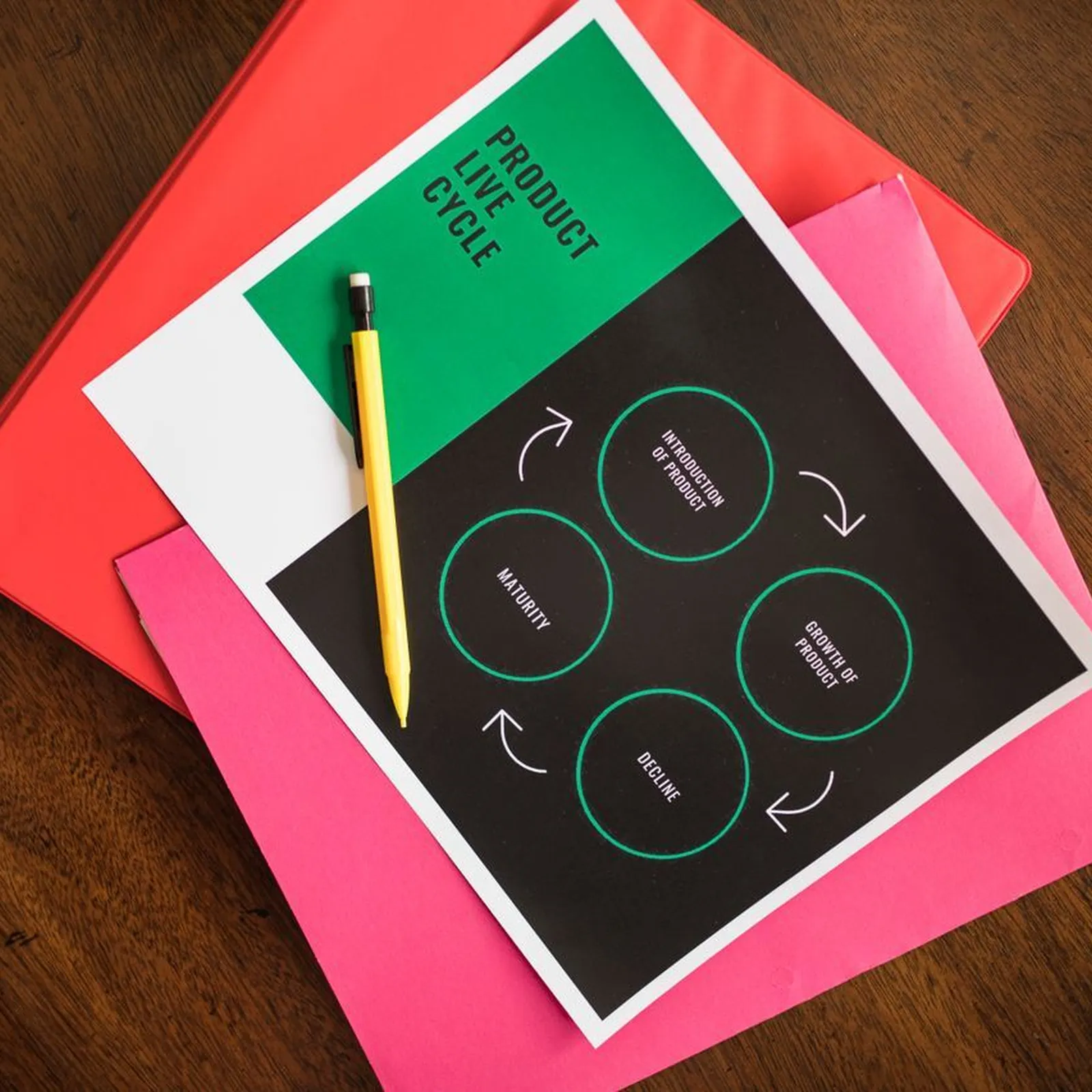
Product Lifecycle Management (PLM) is the process of strategically managing your product’s entire journey – from initial concept, all the way through to design, manufacturing, service and end-of-life disposal.
A PLM system or PLM software helps you manage all your product data, processes and people involved in this journey, unifying everything into a single source of truth.
Simply put, with a PLM in your toolbox, you have more control over product development – smoother communication, easier collaboration and the ability to bring better products to market faster.
Below, we outline everything you need to know about the PLM process and PLM software.
PLM software is used by engineers, designers, manufacturers and product managers in a wide variety of industries, such as fashion and apparel, consumer goods, electronics, automotive, aerospace and defence and pharmaceuticals.
Connecting teams across design, supply chain, quality, and operations, a PLM system ensures accurate data, faster collaboration and better product outcomes.
The first stage of the PLM process is all about taking an idea and shaping it into a structured plan. Align creativity with commercial goals by defining product concepts, exploring feasibility and building out range or seasonal plans.
It’s time for designers and product developers to create a detailed plan for the product. Think sketches, specifications, tech packs, bill of materials (components), measurements and more. Clear and accurate data from the start is vital for reducing costly mistakes later down the line.
Before production begins, products go through rounds of sampling, fitting, and testing. This stage of the PLM process focuses on refinement, checking that every material, colourway and measurement meets expectations. Sampling brings confidence that your final product performs as planned, while testing covers compliance and quality.
With production complete, it’s time to launch. Marketing, merchandising and sales come together to position the product, plan campaigns and get it into stores – physical or digital. Consistent, accurate information across every channel helps tell a unified story and deliver a smooth buying experience.
The product lifecycle management process doesn’t stop with the sale. Post-sale data helps you monitor performance, customer satisfaction and returns. Meanwhile, traceability, sustainability and end-of-life care are becoming an increasingly significant part of a product’s journey.
Each of the stages within a product’s lifecycle can be effectively supported and facilitated through the use of an agile PLM system.
Aligning product concepts with commercial strategy begins by evaluating early design ideas against business goals, target margins, and consumer demand. Merchandisers and designers build a structured range plan that defines option counts, price tiers, and delivery schedules, followed by cross-functional feasibility checks to verify technical viability, supplier minimums, and manufacturing costs before development begins.
Product Lifecycle Management (PLM) software acts as a central source of truth to capture these early parameters. By enforcing strict line-plan budgets, tracking estimated margins, and requiring formal sign-offs before prototyping, PLM ensures unvetted design additions or costly specifications cannot enter production.
PLM software streamlines product development by centralising technical specifications, Tech Packs, and Bills of Materials (BOM) into a single, real-time workspace. Tech Packs detail construction and measurement charts, while the BOM itemises every component down to thread and packaging. Integrated version control tracks revisions, archives past drafts, and updates costs whenever a specification changes.
This centralised data hub eliminates back-and-forth communication between product managers and designers. By replacing static spreadsheets and email threads with a single version of truth, all teams and external suppliers stay aligned on the latest approved specs. This prevents miscommunication, duplicate work, and costly sampling errors.
Tracking sample rounds, fit comments, and quality audits across scattered spreadsheets and email chains is a major headache for product managers. This fragmented approach frequently leads to lost feedback, miscommunicated alterations, and costly, redundant sample iterations with suppliers.
PLM solves this by centralising the entire sample and quality workflow into a single dashboard. Designers log fit measurements and photos directly against the digital Tech Pack, while compliance certificates and factory quality checkpoints are tracked side-by-side. By unifying this data, PLM eliminates lost email threads, accelerates approval cycles, and ensures vendors execute adjustments accurately.
PLM bridges design and manufacturing by converting approved tech packs and Bills of Materials into structured, production-ready work orders for suppliers. Through vendor portals, factories gain instant access to standardised assembly instructions, measurement charts, and component specs without manual data entry or risk of misinterpretation.
The Product Manager serves as the final gatekeeper in this handoff, using PLM to verify that target costs, tolerance ranges, and compliance documents are complete before locking the file. By managing this transition in a single platform, you can prevent factory errors, eliminate pre-production delays, and ensure suppliers manufacture strictly to approved specifications.
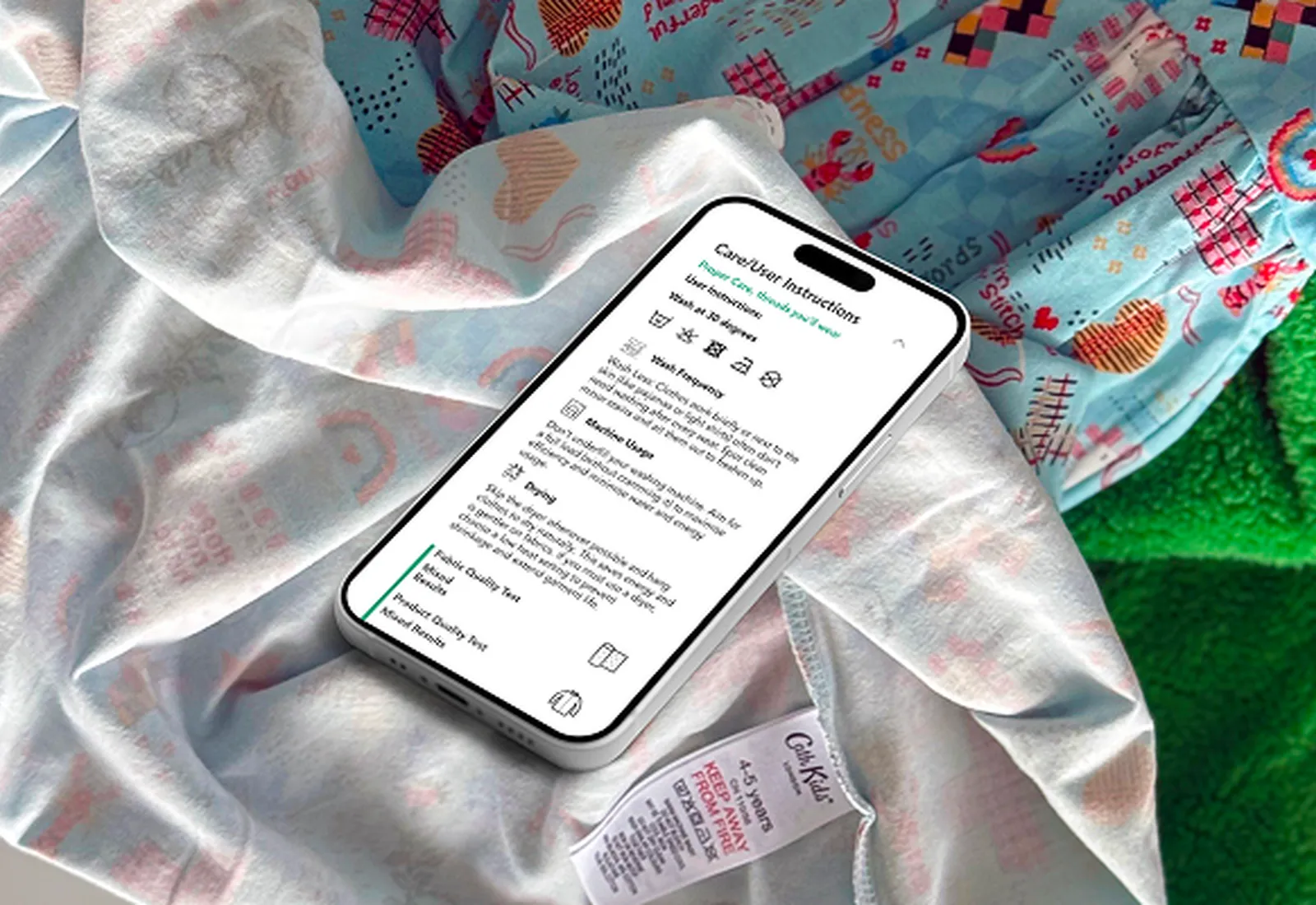
A PLM can push verified product data such as fabric compositions, care instructions, colorways, and wholesale pricing directly into PIM, ERP, and e-commerce systems. This ensures that a single set of approved attributes are delivered to marketing and sales channels, eliminating the need for manual re-entry, preventing outdated specs from reaching customer-facing platforms, and stopping costly last-minute corrections.
By managing this data pipeline within PLM, you can ensure every product asset is complete, accurate, and synchronised across all sales touchpoints, allowing marketing campaigns and digital catalogs to launch seamlessly on schedule.
Post-launch, Product Managers monitor sales, returns, and warranty claims to identify sizing or material issues and feed quality improvements into future production runs. They also manage growing sustainability obligations, including supply chain traceability and the European Union's mandatory Digital Product Passport (DPP). This requires that material origins, repair guides, and recyclability data are recorded on a transparent digital record for consumers and regulators.
Bombiix PLM simplifies this compliance burden by aggregating your approved product data, Bills of Materials, and supplier traceability logs straight into audit-ready Digital Product Passports. This ensures that DPP compliance data is created at every step of a product’s lifecycle, from early-stage development all the way through to post-launch and end of life.
The benefits of a cloud-based PLM speak for themselves – just take a look at some of the advantages below.
PLM software is no longer an expensive luxury, but an absolute necessity for brands that want to remain resilient and thriving for years to come.
| Industry | PLM challenge | How Bombiix helps |
|---|---|---|
| Fashion & Apparel | Managing complex colour matrices, high style velocity, rapid sample rounds, and stringent EU sustainability/traceability mandates. | Bombiix's native DPP module is purpose-built for apparel brands navigating EU digital product passport and EPR sustainability mandates. |
| Consumer Electronics | Synchronising fast-paced mechanical, electrical, and firmware CAD data while tracking hazardous material compliance (RoHS/REACH). | Bombiix centralises multi-disciplinary BOMs to streamline hardware-firmware engineering handoffs and compliance tracking. |
| Consumer Goods (CPG) | Coordinating multi-level packaging specs, formula management, shelf-life testing, and rapid line extensions across global supply chains. | Bombiix unifies packaging, artwork, and formula specs into a single dashboard to accelerate time-to-market for high-turnover CPG brands. |
| Automotive | Controlling vast multi-tier supplier networks, complex engineering change orders (ECOs), and safety/recall traceability. | Bombiix structures multi-tier supplier workflows and live ECO tracking to prevent costly pre-production assembly errors. |
As products become more complex, modern PLM extends beyond static data management through two foundational concepts: the digital thread and the digital twin.
Together, the digital thread and digital twin transform PLM from a passive record-keeping system into a predictive product decision engine.
The digital thread is a continuous, connected data pipeline that links every stage of the product lifecycle, from initial concept and sourcing down to manufacturing, sales, and post-launch returns. For Product Managers, the digital thread closes data gaps and removes the need for manual handoffs between departments. Every stakeholder works from a single, unbroken chain of truth, ensuring that a change made in design carries over to cost models, supplier instructions, and marketing channels.
The digital twin is a dynamic, virtual replica of the physical product that uses digital thread data for simulation, fit testing, and performance analysis. Digital twins allow teams to stress-test product decisions virtually before committing to expensive physical prototypes or tooling runs. You can evaluate material performance, structural integrity, and ergonomic fit in a simulated environment. This helps to cut sample costs, reduce material waste, and take weeks off development timelines.
When asking “What is a PLM system?” it’s easy to get confused with the different acronyms and types of product software available in today’s market.
PLM, ERP, PDM – Each system plays a different role.
PDM (Product Data Management) focuses on the data behind the design.
Mainly used to store, organise and control product information, your PDM is a digital filing system for CAD files and technical drawings. It keeps everything structured, secure, and accessible, so teams always work from the latest version.
PDM is a repository of information and PLM helps you take this information and move your product from concept to market.
ERP takes over once the product is ready to hit production and the market.
Managing the business side of your product data, your ERP is for purchasing, inventory, logistics, finance and HR.
PLM helps you bring your product from concept to market and ERP helps you deliver it efficiently and profitably.
When ERP and PLM are integrated, you get a continuous digital thread – from first sketch to store shelf.
Traditional ERP and PDM alone can’t keep up with the speed and complexity of today’s product development cycles.
A modern PLM closes the loop, bringing real-time visibility, automation and collaboration across your product lifecycle.
PLM turns the static information in ERP software and PDM systems into connected, intelligent workflows.
Bombiix is revolutionising PLM – placing product people at the centre to support every stage of your product development process.
Traditional PLMs were built for processes, not for people. Bombiix changes that.
Late nights, shifting deadlines and spreadsheet chaos – we’ve been there. We’ve felt the pressure, the passion and the pride that come with building great products, and we designed a platform that finally supports that journey.
Where traditional PLMs fall short, Bombiix goes further. Gone are the days of clunky, rigid systems that only add to your workload. Instead, Bombiix connects every stage of your product journey and is customisable to how your team works.
Bombiix is continuously evolving to reduce your workload and keep your business ahead of what’s next.
Bombiix gives you the power of a full product team assistant. Automate repetitive admin, surface insights instantly and make better, faster decisions without the need for costly integrations or data analysts.
With sustainability woven through every process, Bombiix helps you trace materials to Tier 4, track ethical sourcing and automate Digital Product Passports (DPPs). You get the right data at the right time, making it easy to design responsibly and prove your product’s impact.
Bombiix is a powerful PLM that places you at its heart, managing every stage of your product development process with clarity and efficiency.
Still have questions about Bombiix or PLM? We’ve answered a few.
Get started with Bombiix today
Ready to get started with Bombiix?
Let’s transform your product data together!
Schedule a free personalised demo
Book a customised demo to see how Bombiix can streamline your product development process.
Bombiix empowers product teams with cutting-edge, affordable technology that simplifies processes, reduces admin, and enables smarter, more ethical decisions.