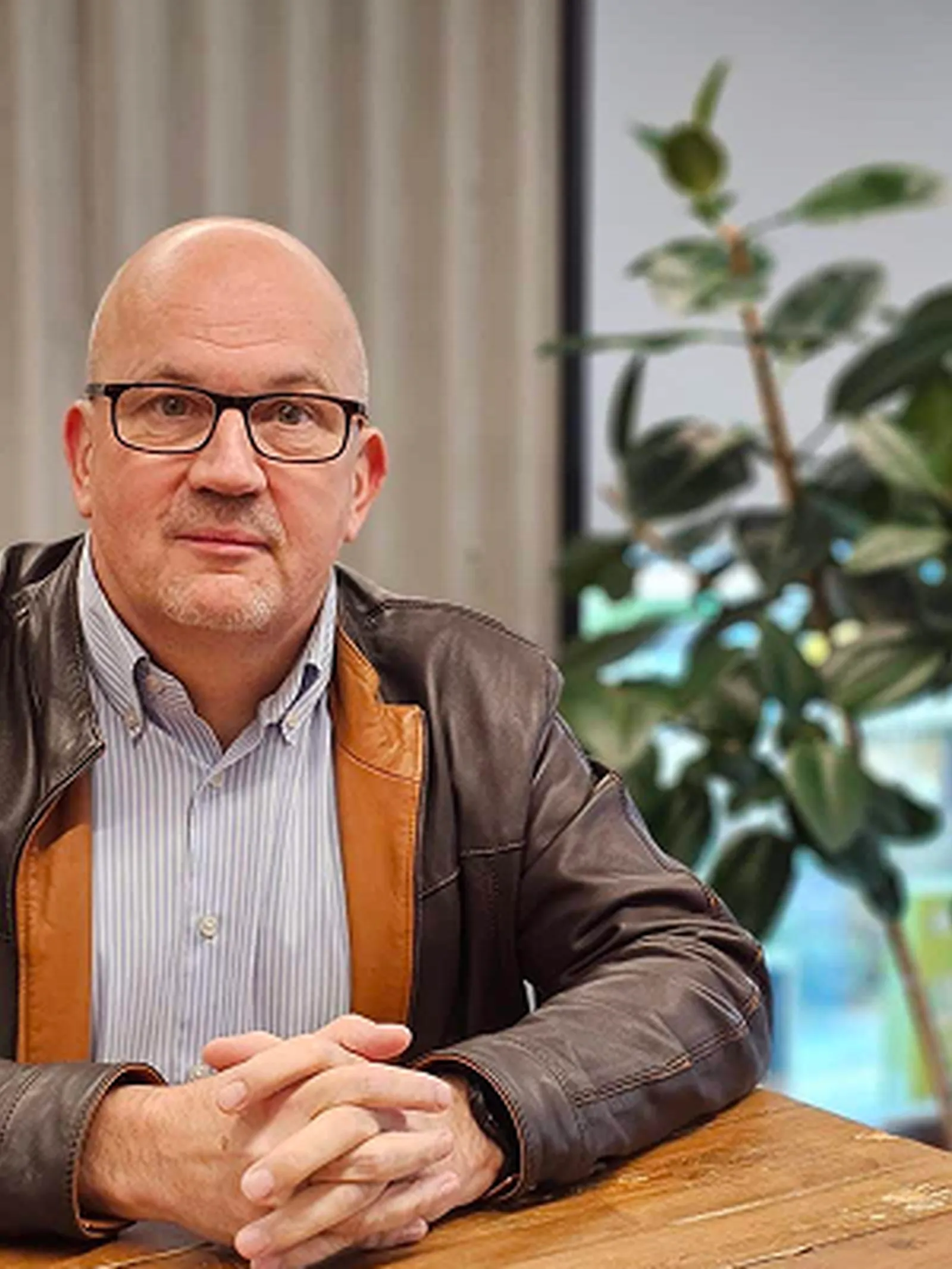
We invested in Bombiix because we recognised the strength of its PLM offer and the impending EU requirement for Digital Product Passports.
With decades of experience investing in SMEs – from starting at 3i, to opening the Bahrain Development Bank and now co-owning Anticus – I’ve seen the challenges businesses face and the opportunities that come with them. Our role is to be a supportive investor, guiding Lucy in growing Bombiix and in future fundraising.
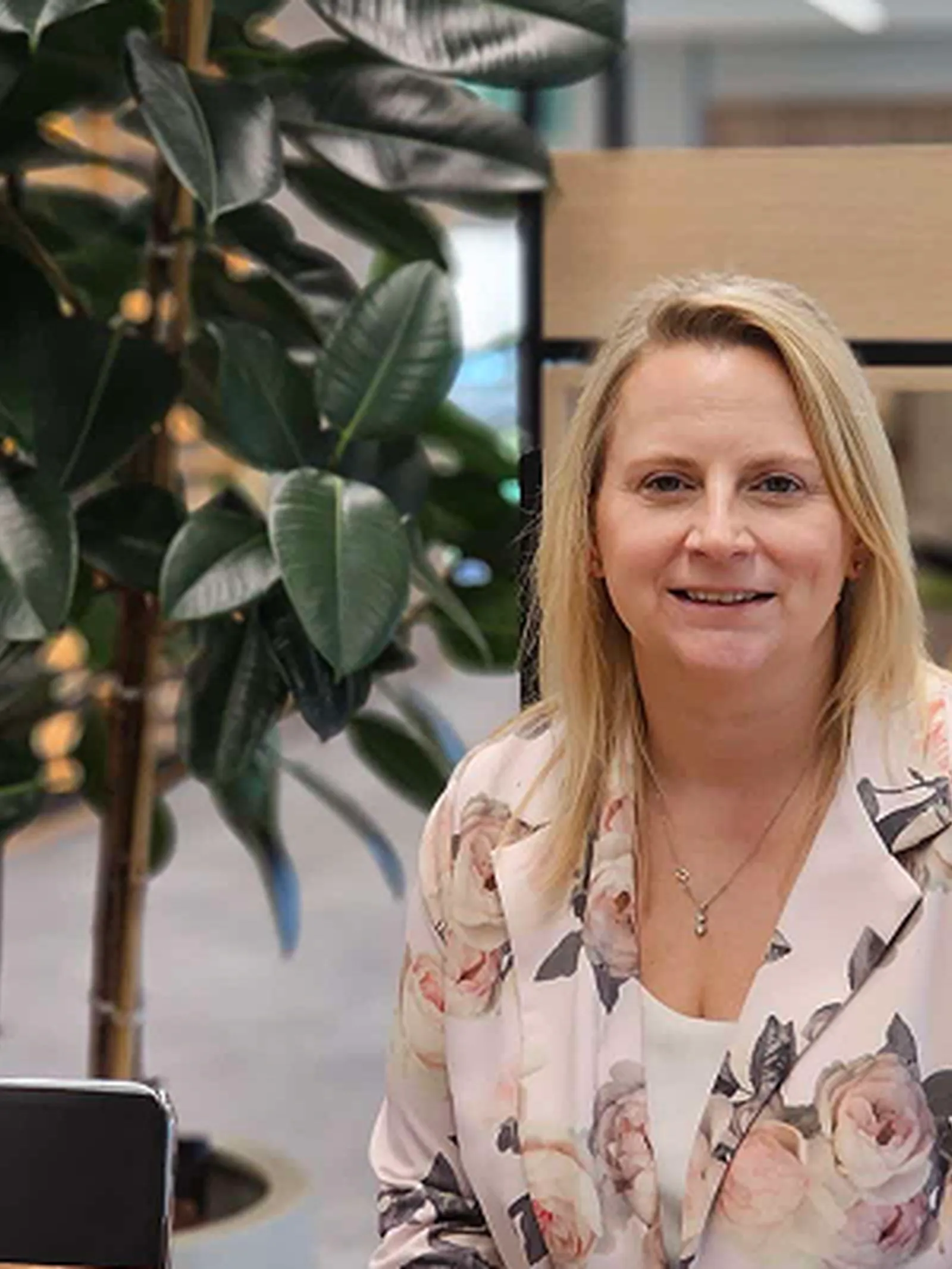
With experience across manufacturing, financial services, SaaS, e-commerce, and retail, I help Bombiix navigate growth while keeping a close eye on cash flow, performance and strategic alignment.
From the first time I met Lucy, I knew I wanted to work with her – she’s a breath of fresh air and the passion that fills her is infectious. It’s a pleasure to complement her skills in delivering the vision of Bombiix.
I make sure our software meets your needs, spotting areas for improvement and helping your team streamline and grow.
Having worked in hospitality, manufacturing, supply chain and agriculture, I bring a wealth of experience when it comes in creating digital solutions that tackle real-world challenges.
I joined Bombiix after being a customer – it’s hugely refreshing to see a platform that focuses on the needs of product people. After managing many global teams across multiple industries, including pharmaceuticals, FMCG, toiletries and cosmetics, sporting goods and apparel and fashion, I can see real potential in Bombiix, and I’m excited to lead the business and achieve it.
My experience is in garment technology, pattern cutting, product development and technical design and I understand the everyday struggles our customers face – the chaotic workflows, confusing email threads and out of date spreadsheets. So I created Bombiix to change all of that.
The concept for Bombiix was born from one product developer’s frustrations with outdated legacy PLMs. So, when we say we get it, we really do. Whether you’re a growing start up or experienced enterprise, our team is with you every step of the way with personalised onboarding and ongoing support. My experience is in garment technology, pattern cutting, product development and technical design and I understand the everyday struggles our customers face – the chaotic workflows, confusing email threads and out of date spreadsheets. So I created Bombiix to change all of that.
Manage your entire product lifecycle, from initial concept and design through to development, manufacturing and bringing it to shelves.
Automate your Digital Product Passports in a way that’s affordable, scalable and removes the need for multiple complex systems.
Unify all your product information with an automated PIM that ensures consistency and accuracy while reducing workload and manual data entry.
Organise, store and access all your digital assets into a single, easy-to-use hub so you can effortlessly find, share and use content whenever you need to.
Manufacturing PLM (Product Lifecycle Management) is like the central nervous system of your production, connecting people and data workflows from the first design brief to the final quality check.
Unlike legacy systems that feel like a hurdle, modern PLM provides a “single source of truth” that eliminates manual errors, reduces lead times and empowers your team to focus on building great products rather than managing spreadsheets.
At Bombiix, we’ve been in your shoes, so we built a platform that adapts to your processes, not the other way around.
If you’ve ever watched a great product idea get lost somewhere between a design sketch and the factory floor, you already know the problem that PLM exists to solve. PLM for manufacturing centralises all product data across your entire organisation.
From concept and design to sourcing, production and end-of-life, PLM keeps everything connected.
In practice, this means your designers, production engineers, suppliers, compliance teams are all working from the same live data.
No more emailing “V12_FINAL_actualfinal” spreadsheets around or “we thought you had that spec” conversations.
The “digital thread” is one of those terms that sounds technical, but it describes something simple: an unbroken flow of data that follows your product from its earliest idea all the way through to the end consumer. When your PLM system holds that thread intact, every decision is informed by accurate, real-time information.
Scaling a manufacturing business without a single source of truth will result in confusion, complexity and costly mistakes.
Modern PLM systems become your organisation’s shared memory. Every product decision, every revision, every approval lives in one place. Your team stops wasting hours hunting down the “right” version of a document and starts spending that time doing the work that actually matters. For scaling brands, this is what replaces permanent firefighting with sustainable growth.
There’s a version of PLM that exists in most manufacturing businesses already - it’s just held together with spreadsheets, shared drives, email chains and sheer willpower.
If this sounds familiar, you’ve got to ask yourself - is it working for you or against you?
Here are some of the key reasons why manufacturing businesses need a modern PLM to bring everything together:
In manufacturing, a successful handover between design and production is essential. But, when teams work in isolation, critical information can get lost along the way.
PLM bridges the gap between your teams. Design files, BOMs, specs and certifications are all in one shared space that both your design and production team can easily access.
And you get a faster, more confident handover every time.
Every manual step in your product development process opens up a chance for delays and errors. Re-imputing data into spreadsheets, chasing emails, having multiple versions of documents - it all adds up.
PLM in manufacturing connects the dots between each step, resulting in faster development cycles, fewer revision rounds and dramatically reduced rework costs.
If your manufacturing business operates in a regulated industry, or if you need to comply with strict compliance requirements, you already know how demanding traceability can be.
Using a modern PLM helps your team create a regular habit around compliance, preventing the last minute scramble for records and documentation.
If you’re looking for the best PLM for manufacturing, look for a live, version-controlled BOM that everyone accesses simultaneously.
This means your engineers, buyers and production planners are always looking at the same data, so if changes happen, everyone is up to speed.
The kind of visibility that critical path tracking provides is essential for manufacturing teams that manage multiple product lines simultaneously.
Instead of relying on weekly status meetings and manually updated project management systems, your leadership has a live dashboard that gives them everything they need to know at a glance. Decisions are faster and easier when you have the right information at your fingertips.
What’s the point in having a PLM that promises a single source of truth, but forces you to spread information across other software?
The best PLM platforms are built with integration in mind, connecting with your ERP, CAD tools and other software your team relies on.
Sustainability tracking is fast-becoming a critical requirement rather than a nice-to-have across many industries. More customers expect it, more regulations are coming into force and it’s becoming more common for retailers to score suppliers on environmental impact.
Manufacturing teams need a reliable way to meet those expectations. Opt for a PLM that embeds sustainability into your process from the start - material origins, carbon footprint data and recyclability attributes should be all captured throughout a product’s lifecycle.
Bombiix was born from one product developer’s frustrations with outdated, legacy PLMs.
Our Founder Lucy Blackley lived the late nights, the overwhelm and the constant fear of missed details and deadlines. So, when we say we get it, we really do.
As the product grows, every decision we make is still shaped by our customer’s needs, resulting in a platform that’s a true fit for product teams.
Many PLM vendors publish attractive subscription prices but hide the true cost behind additional services, such as support and onboarding.
Our pricing is clear from the beginning - we don’t do hidden tiers or surprise onboarding charges. Simply pay for the package you signed up for, all of which include installation fees and support.
Implementation of legacy PLMs often takes around six months to a year to get up and running, especially for complex manufacturing businesses.
With Bombiix, we get you up and running within months, sometimes weeks, and you’re supported by our team every step of the way - configuration, migration and training - so you’re not left to figure it out alone.
Rolling out a new system or software can seem daunting at first. Many systems promise transformation, but all you get is disruption, delays and frustration for your team.
There’s a lot to consider when looking for the right PLM software for your manufacturing business.
Here’s how to approach it:
Start by mapping out your process. Understand where the data is created, where it gets lost and where decisions currently get stuck. Use that to configure your PLM to suit your team and your business.
It’s the first step we take at Bombiix - we sit down with you and go through this to make sure your new PLM system works with you, not against you.
You could invest in the best PLM software in the world, but it’s useless if no one in your company knows how to use it. User adoption depends on how confident your people are using the new system.
Successful rollouts are dependent on a few things:
Get Started with Bombiix today
Ready to get started with Bombiix?
Let’s transform your product data together!
Schedule a Free
60 minute Demo
Book a customised demo to see if Bombiix would be a good fit for your business.
Today, Bombiix empowers product teams with cutting-edge, affordable technology that simplifies processes, reduces admin, and enables smarter, more ethical decisions.