Solutions

About Bombiix PLM

Manage your entire product lifecycle, from initial concept and design through to development, manufacturing and bringing it to shelves.

Plm1
Solutions

About Bombiix DPP

Automate your Digital Product Passports in a way that’s affordable, scalable and removes the need for multiple complex systems.

Dpp1
Solutions

About Bombiix PIM

Unify all your product information with an automated PIM that ensures consistency and accuracy while reducing workload and manual data entry.

Pim1
Solutions

About Bombiix DAM

Organise, store and access all your digital assets into a single, easy-to-use hub so you can effortlessly find, share and use content whenever you need to.

Dam 001
Digital product passport timeline

Digital Product Passport Timeline: Key Dates by Sector

Digital Product Passports are moving from policy into practical implementation.

The European Union has now established the technical foundations for the Digital Product Passport, or DPP, and has published an indicative timeline showing when requirements will be introduced across different product sectors.

However, not every sector will become subject to mandatory DPP requirements at the same time.

Batteries are the first product category with a confirmed compliance date. For most other sectors, the dates currently published relate to the expected adoption of sector-specific legislation. Businesses will then normally receive a transition period before the requirements become mandatory.

Under the Ecodesign for Sustainable Products Regulation, businesses will have a transition period of at least 18 months following the adoption of a product-specific delegated act.

Here is the current Digital Product Passport timeline by sector and the types of businesses likely to be affected.

Weavabel clothing tag
Phone and calendar

July 2026: The DPP infrastructure becomes operational

Before looking at individual sectors, July 2026 marked an important milestone for the wider DPP system.

The framework for the EU Digital Product Passport Registry was established during July, alongside an implementing decision covering six DPP standards. The Registry then became operational on 20 July 2026. Further standards are expected to be adopted in September 2026.

The Registry will store the unique identifiers and registration information associated with each Digital Product Passport. The full product information will normally remain with the responsible business or its chosen DPP service provider.

This does not mean that every product sold in the EU now requires a passport. It means the underlying infrastructure is being put in place so that individual sectors can begin implementing their own requirements.

Batteries
Batteries

Batteries: Mandatory from 18 February 2027

Batteries are the first product category with a confirmed mandatory Digital Product Passport date.

From 18 February 2027, a battery passport will be required for certain batteries placed on the EU market, including:

electric vehicle batteries
batteries used in electric bikes
batteries used in electric mopeds and scooters
industrial batteries
home energy-storage batteries

The responsibility will generally sit with the company placing the finished battery on the EU market, rather than the suppliers of individual cells, components or battery modules.

E scooters
Batteries

Businesses likely to be affected

The battery passport requirements are particularly relevant to:

electric vehicle manufacturers
battery manufacturers
e-bike and e-scooter brands
industrial machinery manufacturers
renewable energy and energy-storage providers
importers of battery-powered products
businesses selling large rechargeable battery systems
manufacturers incorporating covered batteries into finished products

These businesses will need access to reliable information covering battery identity, technical characteristics, performance, durability, responsible economic operators, repair, reuse and recycling.

For companies selling battery-powered products into Europe, the important point is that the obligation can apply even when the battery or finished product is manufactured outside the EU.

Iron steel
Iron & steel

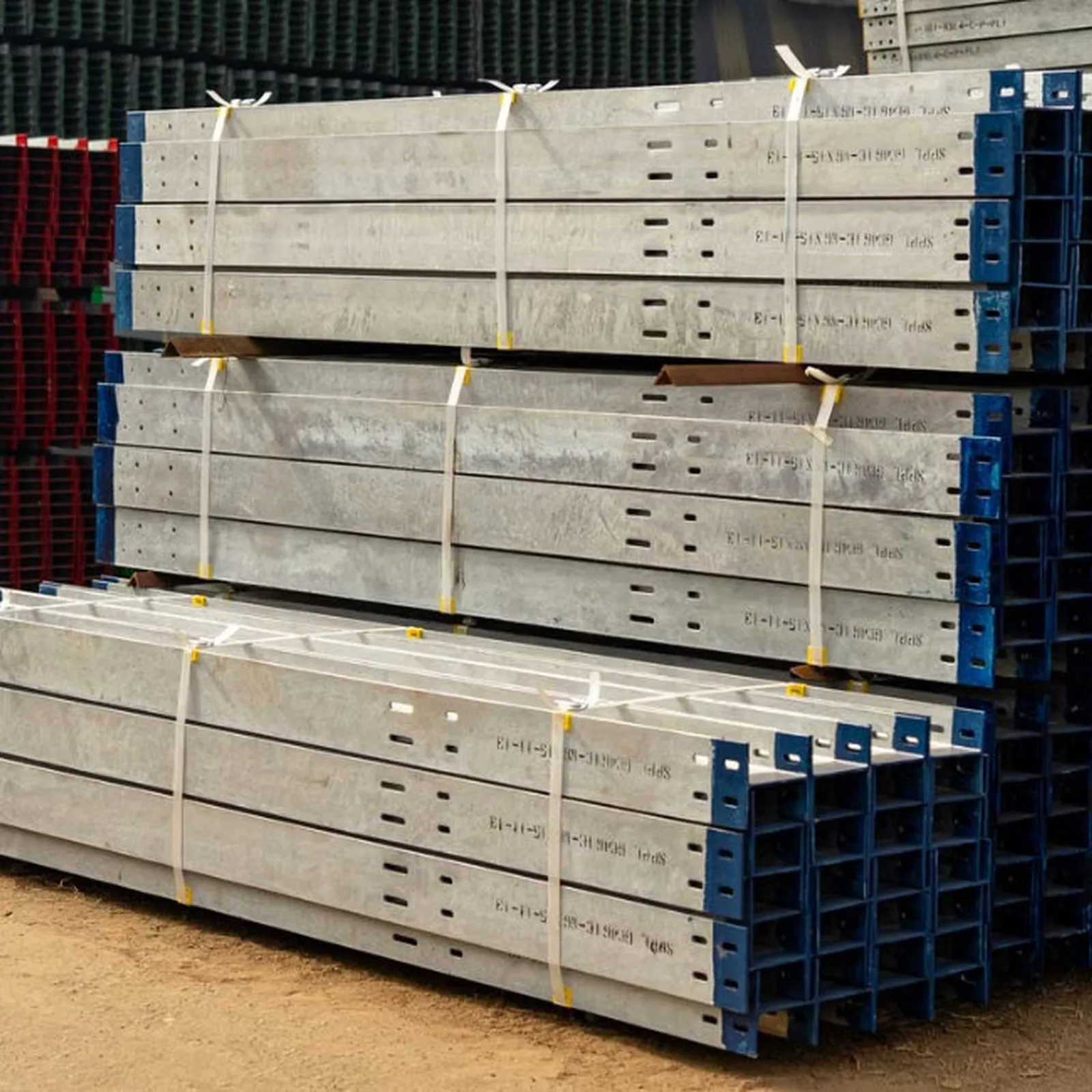
Iron and steel: Sector rules expected in Q4 2026

The European Commission currently expects to adopt the sector-specific delegated act for iron and steel in Q4 2026.

This is not currently the date on which every affected iron or steel product must have a DPP. It is the anticipated date for the legislation defining the sector’s detailed requirements.

Once the delegated act has been adopted, affected businesses should expect a transition period of at least 18 months before the requirements apply.

Car doors
Iron & steel

Businesses likely to be affected

Iron and steel requirements could affect organisations throughout the metals value chain, including:

iron and steel producers
steel mills and foundries
metal processors
component manufacturers
steel stockholders and distributors
importers of iron and steel products
automotive manufacturers and suppliers
construction product manufacturers
industrial equipment manufacturers
businesses using steel in finished products

The final scope will depend on the delegated act, but the DPP may contain product identification, classification, technical data, material composition, recycled content, sustainability information and compliance documentation.

This will be especially significant because steel is used as an intermediate material across numerous industries. Product data may therefore need to move from primary producers through processors, manufacturers, distributors and finished-product brands.

Construction workers
Construction

Construction products: Requirements expected in Q2 2027

The current indicative timeline points to Q2 2027 for a delegated act covering Digital Product Passports for construction materials under the Construction Products Regulation.

A related delegated act governing DPP service providers is also expected as part of this stage.

As with iron and steel, this is currently a date for setting the requirements rather than a universal compliance deadline for all construction products.

Building materials
Construction

Businesses likely to be affected

The construction product requirements could be relevant to:

building material manufacturers
insulation manufacturers
concrete and cement producers
flooring manufacturers
roofing product manufacturers
window and door manufacturers
manufacturers of structural products
merchants and building product distributors
importers of construction materials
modular building manufacturers
contractors and developers specifying materials
demolition, recovery and recycling businesses

Construction supply chains often involve products remaining in use for decades. A DPP could provide a persistent record of a product’s characteristics, materials, environmental performance, installation requirements, maintenance information and potential for future reuse or recycling.

For manufacturers, this means product information may need to remain available long after the initial sale.

Sector - Apparel
Textiles & apparel

Textiles and apparel: Sector rules expected in Q4 2027

The European Commission plans to adopt the delegated act for textile apparel in Q4 2027.

Following adoption, further technical specifications, guidance and implementation measures will be developed. A transition period is also expected before the requirements become mandatory.

The current European Commission sector guidance specifically focuses on textile apparel. The final delegated act will determine the precise product coverage and information requirements.

Textiles
Textiles & apparel

Businesses likely to be affected

The textile DPP is likely to be particularly important for:

fashion brands
clothing manufacturers
garment importers
private-label retailers
sportswear and outdoor clothing brands
footwear and accessories businesses, where included in the final scope
textile producers and mills
fabric and trim suppliers
workwear manufacturers
uniform suppliers
distributors and wholesalers
resale, repair and textile recycling businesses

Businesses placing covered textile products on the EU market will be primarily responsible for making the DPP available. This could include manufacturers, producers or importers. Distributors and dealers may also need to ensure that a valid DPP is available for the products they sell.

The passport may include information such as fibre composition, product characteristics, origin, responsible economic operators, care, repair, maintenance, resale, disassembly, recycling and end-of-life handling.

For fashion and apparel businesses, DPP readiness will therefore depend heavily on the quality of data collected from factories, fabric mills, trim suppliers and other supply-chain partners.

Aluminium cans
Aluminium

Aluminium: Sector rules expected in Q3 to Q4 2027

The delegated act covering aluminium is currently expected to be adopted during Q3 or Q4 2027.

As with iron and steel, the legislation will define which aluminium products are covered and what information must be made available through their Digital Product Passports.

Peppermint patties
Aluminium

Businesses likely to be affected

Potentially affected organisations include:

aluminium producers and smelters
metal processors and fabricators
extrusion manufacturers
sheet and foil manufacturers
packaging component manufacturers
automotive and aerospace suppliers
construction product manufacturers
electronics manufacturers
importers and distributors
businesses using aluminium in finished products

The DPP could support the communication of information such as product identity, alloy composition, recycled content, production characteristics, environmental performance and end-of-life recovery.

Accurate chain-of-custody data will be particularly important where aluminium passes through several stages of processing before becoming part of a finished product.

Tyres
Tyres

Tyres: Sector rules expected in Q3 to Q4 2027

Sector-specific DPP requirements for tyres are also expected to be adopted during Q3 or Q4 2027.

The final legislation will determine the products included and the data that manufacturers and other economic operators must provide.

Lorries
Tyres

Businesses likely to be affected

The requirements could affect:

tyre manufacturers
automotive manufacturers
commercial vehicle manufacturers
tyre importers and distributors
fleet operators
agricultural and industrial vehicle suppliers
tyre retailers and fitting businesses
retreading companies
tyre recovery and recycling operators

A tyre passport could potentially connect product identity with information about materials, performance, durability, repair, retreading, recycling and responsible end-of-life treatment.

Businesses operating vehicle fleets may not be responsible for creating passports, but they could benefit from improved access to product history, performance and recycling information.

Furniture
Furniture

Furniture: Sector rules expected in 2028

Furniture is scheduled for sector-specific DPP requirements in 2028, when the European Commission expects to adopt the relevant delegated act.

The precise quarter and subsequent compliance date have not yet been confirmed.

Furniture parts
Furniture

Businesses likely to be affected

Potentially affected organisations include:

furniture brands
furniture manufacturers
contract furniture suppliers
office furniture businesses
kitchen and bathroom furniture manufacturers
hospitality furniture suppliers
homeware and interiors retailers
upholstered furniture manufacturers
furniture importers and distributors
joinery and cabinet manufacturers
repair, refurbishment and resale businesses

Furniture businesses may need to assemble information from wood, metal, textile, foam, coating, adhesive and component suppliers.

A furniture DPP could eventually provide information about materials, responsible sourcing, repairability, replacement components, disassembly, recycled content and end-of-life recovery.

This could be particularly valuable for commercial furniture businesses serving offices, hotels, education, healthcare and other environments where assets are maintained, refurbished or moved between locations.

Furniture store
Mattresses

Mattresses: Sector rules expected in 2029

A delegated act setting ecodesign and DPP requirements for mattresses is expected in 2029.

The final requirements and mandatory implementation date have not yet been published.

Businesses likely to be affected

The mattress requirements could affect:

mattress manufacturers
bed and bedroom furniture brands
foam and spring manufacturers
textile and cover suppliers
mattress importers
furniture retailers
hospitality suppliers
student accommodation and care-sector suppliers
mattress collection and recycling businesses

Mattresses combine multiple materials that can be difficult to separate at the end of their useful life. A DPP could make information about their construction, materials, maintenance and disassembly more accessible to retailers, consumers, repairers and recyclers.

Computers
ICT prodcuts

ICT products and other electronics: Sector rules expected in 2029

Sector-specific requirements for ICT products are also expected in 2029.

The eventual scope may overlap with existing ecodesign, energy-labelling, repairability and electronic-waste requirements. The relevant delegated acts will provide the detailed product coverage.

Computers 2
ICT prodcuts

Businesses likely to be affected

Potentially affected companies include:

computer and laptop manufacturers
smartphone and tablet brands
telecommunications equipment manufacturers
networking hardware suppliers
technology importers and distributors
component suppliers
repair and refurbishment businesses
IT asset-management companies
electronics recycling and recovery operators

DPP data could include product and model identification, component information, material composition, software or firmware considerations, energy performance, repair instructions, spare-part information and end-of-life treatment.

For technology businesses, one of the major challenges will be maintaining accurate product records when hardware, software and components can change during a product’s commercial life.

Lighting
Energy-related products

Energy-related products: Requirements between 2026 and 2029

The wider DPP roadmap also includes energy-related products, with delegated acts expected progressively between 2026 and 2029.

Energy-related products cover a broad regulatory area rather than one single market. The timing will depend on the individual product group and the relevant ecodesign legislation.

Solar panels
Energy-related products

Businesses that should monitor developments

This could be relevant to manufacturers and importers of products such as:

domestic and commercial appliances
heating and cooling equipment
lighting products
motors and industrial equipment
electrical and electronic products
energy-generation and energy-management equipment
products already covered by EU ecodesign or energy-labelling requirements

Businesses in these sectors should monitor the legislation applying to their specific product categories rather than relying on a single universal deadline.

Sector - Toys

Other sectors covered by separate EU legislation

Digital Product Passports are not being introduced solely through the Ecodesign for Sustainable Products Regulation.

Separate EU legislation may also create DPP or passport-style requirements for product categories including:

packaging
toys
detergents and surfactants
critical raw materials

The main European Commission timeline does not currently provide the same clear sector adoption dates for all these categories. Businesses operating in these markets will need to monitor the legislation specific to their products.

DPP timeline at a glance

20 July 2026:

EU Digital Product Passport Registry becomes operational.

Q4 2026:

Delegated act expected for iron and steel.

18 February 2027:

DPP becomes mandatory for certain electric vehicle, light transport, industrial, and energy-storage batteries.

Q2 2027:

DPP requirements expected for construction products.

Q3 to Q4 2027:

Delegated acts expected for aluminium and tyres.

Q4 2027:

Delegated act expected for textile apparel.

2028:

Delegated act expected for furniture.

2029:

Delegated acts expected for mattresses and ICT products.

Important:

It is important to remember that, apart from the confirmed battery deadline, these dates generally indicate when sector-specific legislation is expected to be adopted. They are not necessarily the dates on which affected products must carry a DPP.

When should businesses start preparing?

Businesses should not wait until the final compliance deadline before reviewing their product data.

Creating a functioning Digital Product Passport will involve more than generating a QR code. Businesses will need to identify the required information, determine where it is currently stored, collect missing data from suppliers and maintain an accurate digital record throughout the product lifecycle.

For many organisations, the biggest challenge will not be the technology itself. It will be establishing consistent, structured and reliable product information across internal teams and external supply chains.

Businesses in the first affected sectors should begin by reviewing:

which products are placed on the EU market
who acts as the responsible economic operator
what product, material and sustainability data is currently available
which information must be requested from suppliers
whether existing systems can maintain product-level records
how data will remain accessible after a product is sold
how regulatory, product and supply-chain information will be connected

Digital Product Passports depend on connected product data.

Preparing for Digital Product Passports with Bombiix

Bombiix brings product lifecycle management, product information, digital assets and supplier collaboration together in one platform, helping businesses establish a reliable source of product information.

By centralising specifications, materials, components, supplier records, compliance information and supporting documentation, Bombiix can help product businesses build the data foundations needed for future DPP requirements.

The exact obligations will vary by sector, but the direction is clear. Businesses that improve the structure, quality and traceability of their product data now will be better prepared as Digital Product Passports become mandatory across the EU.

Data reference

The dates in this article are based on the European Commission’s indicative Digital Product Passport timeline as published in July 2026. Legislative and implementation dates may change as delegated acts and technical requirements are finalised.

Get started with Bombiix today

Ready to get started with Bombiix?
Let’s transform your product data together!

Contact Us
Lucy2
Woman working

Schedule a free personalised demo

Book a customised demo to see how Bombiix can streamline your product development process.

Book a Demo
Lucy2
Book a 60 minute demo compagnons

Bombiix empowers product teams with
cutting-edge, affordable technology that simplifies
processes, reduces admin, and enables smarter,
more ethical decisions.

Contact Support
info@bombiix.com +44 (0) 800 001 6455
Ergo
Bridgehead Business Park,
Meadow Rd,
Hessle
HU13 0GD
Get Directions
© 2026 bombiix. All rights reserved.
|
Back to Top