Fashion PLM: The complete guide to Product Lifecycle Management in Fashion
PLM software for fashion has the power to transform your chaotic product development process into a streamlined, connected workflow.
Using our first-hand industry experience, we’ve created a definitive resource for fashion professions seeking to understand the value of PLM and its many benefits.
What is fashion PLM and why does it matter?
In the most simplest terms, PLM software for the fashion industry connects the dots between design, sourcing and production.
Fashion PLM manages the entire lifecycle of a garment, from initial design to retail, integrating design, production and supply chain processes to improve collaboration and reduce time-to-market.
Source: https://www.just-style.com/buyers-guide/product-lifecycle-management/
PLM matters in the fashion industry because it can:
- Get products to market faster
- Ensure quality and consistency
- Drive collaboration across all your teams
- Reduce product development costs
- Support compliance and sustainability goals
Key challenges in fashion product development
Product development in fashion moves fast, and the systems supporting it often can’t keep up.
Many teams we speak with are still juggling disconnected tools, wasting time on manual processes and dealing with increasingly complex supply chains.
Some of the most common challenges include:
Fragmented communication
Important updates get buried across emails, messages and multiple platforms, leading to delays and misunderstandings.
Version control issues
Multiple versions of tech packs, specs and approvals create confusion about which information is the most accurate.
Compliance tracking
Keeping track of testing, certifications and regulatory requirements across multiple products can quickly become overwhelming.
Time-to-market pressures
Trends move quickly, and teams are constantly under pressure to design, develop and launch products faster.
Product team overwhelm
With so many moving parts and responsibilities, product teams often spend more time chasing information than focusing on innovation.
How fashion PLM software transforms product development
Get products to market faster
Fashion PLM gives you full visibility of your entire product lifecycle – teams and suppliers are all connected, decisions are made quickly and with confidence, bottlenecks are dealt with early and delays disappear.
Ensure quality and consistency
PLM software for fashion allows you to build consistency into your product development process – from your first sketch to hitting storefronts. Specs, test results and supplier approvals all live in one clear space.
Drive collaboration across all teams
PLM systems bring fashion teams together. Product design and development, manufacturing and marketing, all working from one system and removing the need for complicated spreadsheets, email threads and siloed information.
Reduce product development costs
A PLM system for fashion removes unnecessary admin tasks that eat into your margins. You make smarter use of your resources, freeing your team to focus on innovation, not firefighting.
Support compliance and sustainability goals
With clear, easily accessible data, you’re already set up for success when it comes to compliance with evolving legislation, such as Digital Product Passports (DPP) and beyond – you’re always in control and audit-ready.
Essential features of fashion PLM systems
A fashion PLM system must offer more than storage.
PLM that is designed for the fashion industry should support the real, day-to-day work of product teams, helping designers, developers, buyers and suppliers stay connected as products move from concept to production.
Design and development workflows
Fashion PLM systems help teams organise and manage the creative development process from the very beginning. Designers and developers can create structured tech packs, store design specifications and track revisions and styles evolve.
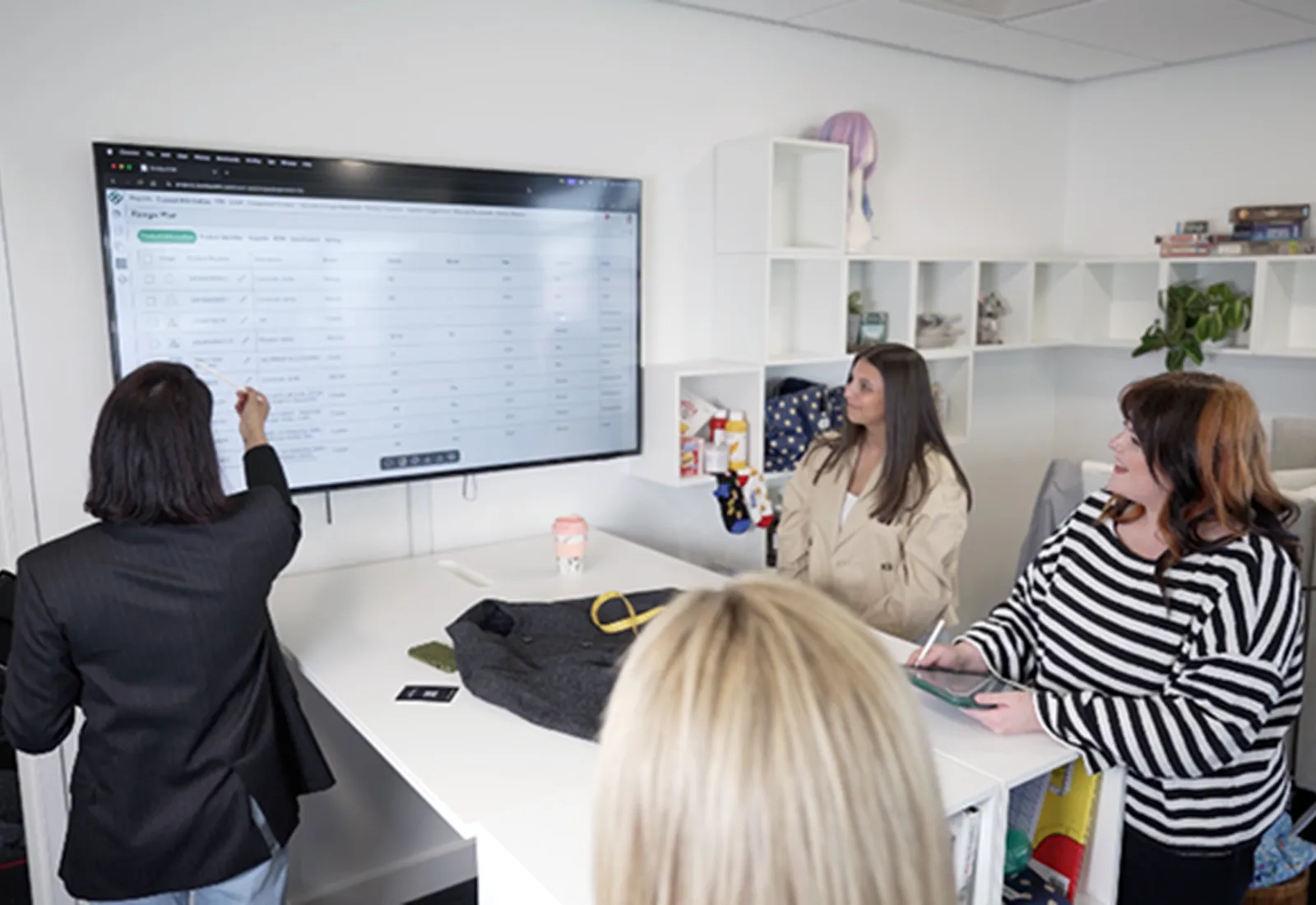
Instead of juggling multiple documents and email feedback, teams can manage design iterations in one shared space. Updates are visible instantly, making it easier to collaborate, approve changes and maintain a clear record of each stage of development.
Sourcing and supplier management
Fashion supply chains are complex, often involving multiple suppliers, factories and partners across different regions. A strong PLM system helps brands bring these relationships into one connected workflow.
Teams can manage supplier information, collaborate on materials and production details, track costs as they evolve and align purchasing with product development timelines. This creates greater transparency across the supply chain while improving communication between internal teams and external partners.
Digital Product Passport (DPP) readiness
As sustainability and regulatory requirements continue to grow, fashion brands need better visibility into their supply chains. PLM systems play an important role in helping businesses prepare for DPPs by capturing key product data at every stage of development.
From materials and manufacturing processes to certifications and supplier information, PLM platforms help brands build the traceability needed to support transparency and compliance.
Why Bombiix is leading fashion PLM
Here are just some of the ways you benefit by switching to Bombiix:
Designed by product people
Bombiix was born from one product developer’s frustrations with outdated, legacy PLMs. She lived the late nights, the overwhelm and the constant fear of missed details and deadlines. So, when we say we get it, we really do.
Every decision we make is shaped by either our customer’s needs or our own experience in the industry, resulting in a platform that’s a true fit for product teams
Crystal clear visibility
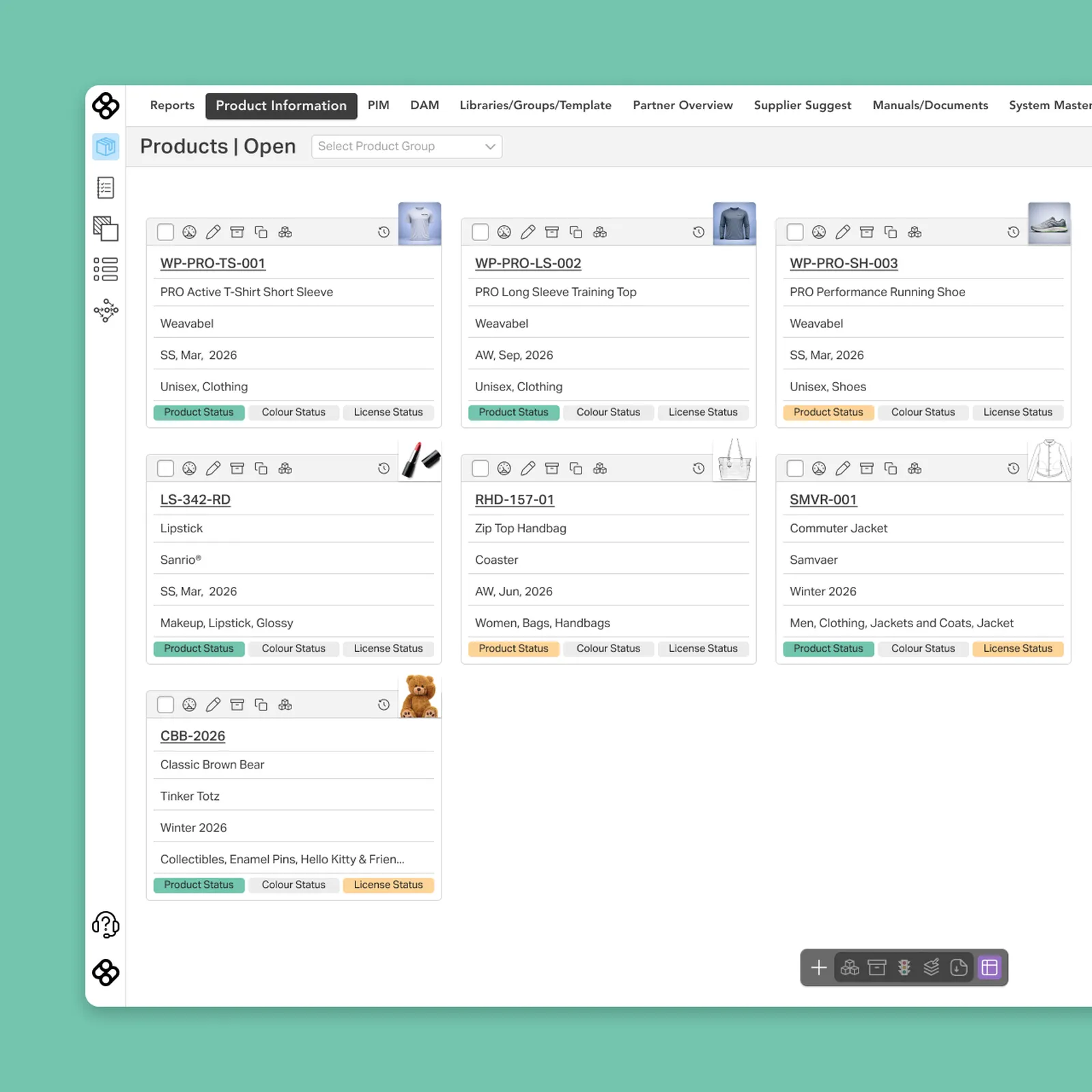
A complete picture of your entire product lifecycle and supply chain. Connecting with DPP, PIM and DAM, Bombiix’s PLM software gives you and your team deep insights into resource management, budget spending and sustainability goals.
No more chasing files, navigating complicated spreadsheets or second-guessing every decision.
Built-in DPP compliance
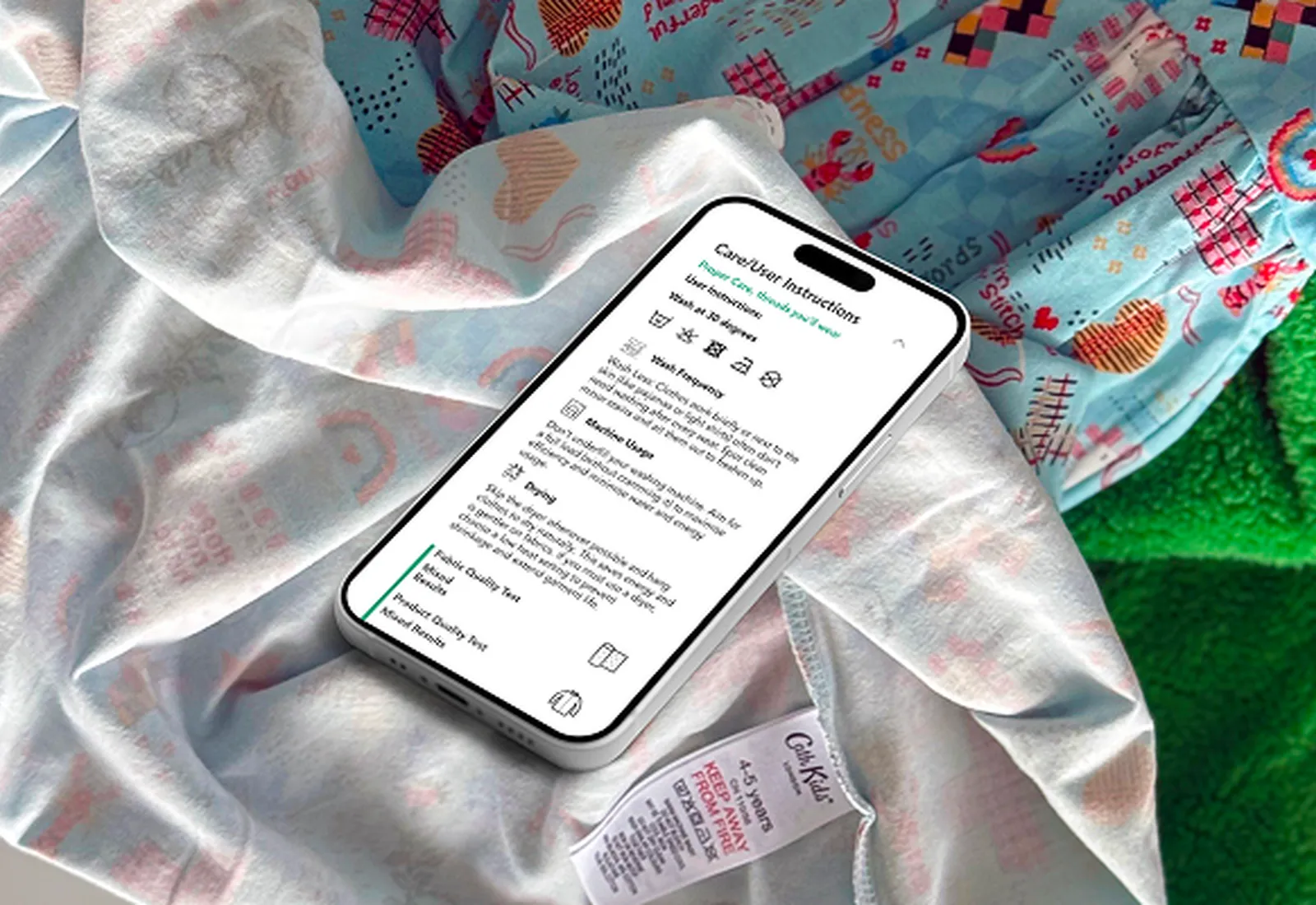
Automate your DPPs and save hours manually collating, creating and managing sustainability information. Create clear, interactive, user-friendly and compliant product passports in just a few clicks.
What’s more, because you’re equipped with the right data at the right time, you can make informed decisions about material use, manufacturing processes and supply chain.
Learn more about PLM sectors
FAQs
How long does fashion PLM implementation typically take?
Traditional PLM systems can take many months – sometimes even years – to fully implement due to complex configurations and heavy IT involvement. Modern fashion PLM platforms are designed to be far more agile. With intuitive interfaces and faster setup processes, many brands can begin onboarding teams and organising their product data in a much shorter timeframe, helping them start seeing value much sooner.
Can small fashion brands benefit from PLM software?
Absolutely. While PLM was once seen as something only large enterprises could afford, modern cloud-based solutions like Bombiix have made it far more accessible for growing brands. Small and mid-sized fashion businesses can benefit from clearer product data, improved collaboration with suppliers and better organisation across design and production.
What ROI can fashion brands expect from PLM?
The return on investment from PLM typically comes from improved efficiency and reduced errors across the product development process. By centralising product data and streamlining collaboration, teams spend less time searching for information, correcting mistakes or managing manual workflows. Over time, this can lead to faster product development cycles, better product quality, reduced rework and a quicker path from concept to market.